
Start with the size list.
Then choose a family design that works on the actual shirts. Choose artwork that works across the actual garment range, then keep ordering and distribution simple. A shared shirt becomes a better keepsake when everyone receives the right version. On this page
- Choose the reunion's central idea
- Collect sizes in one place
- Test the smallest layout
- Plan pressing and distribution
- FAQs
Choose the reunion's central idea
Use the family name, gathering place, or an original symbol that means something to the group. Keep a date optional until the event details are confirmed. Too many relatives' names can overwhelm the front; a separate back layout may be more readable.
Collect sizes in one place
List each person, shirt size, and any requested variant. Set an internal cutoff for changes and confirm the actual blank styles. Do not guess a child's size or assume every brand uses the same fit. Check the list against the expected attendee count.
Test the smallest layout
Make paper previews for representative youth and adult shirts. Simplify small lettering where needed rather than shrinking the entire design blindly. Keep the visual identity consistent even if the final artwork dimensions differ between garment groups.
Plan pressing and distribution
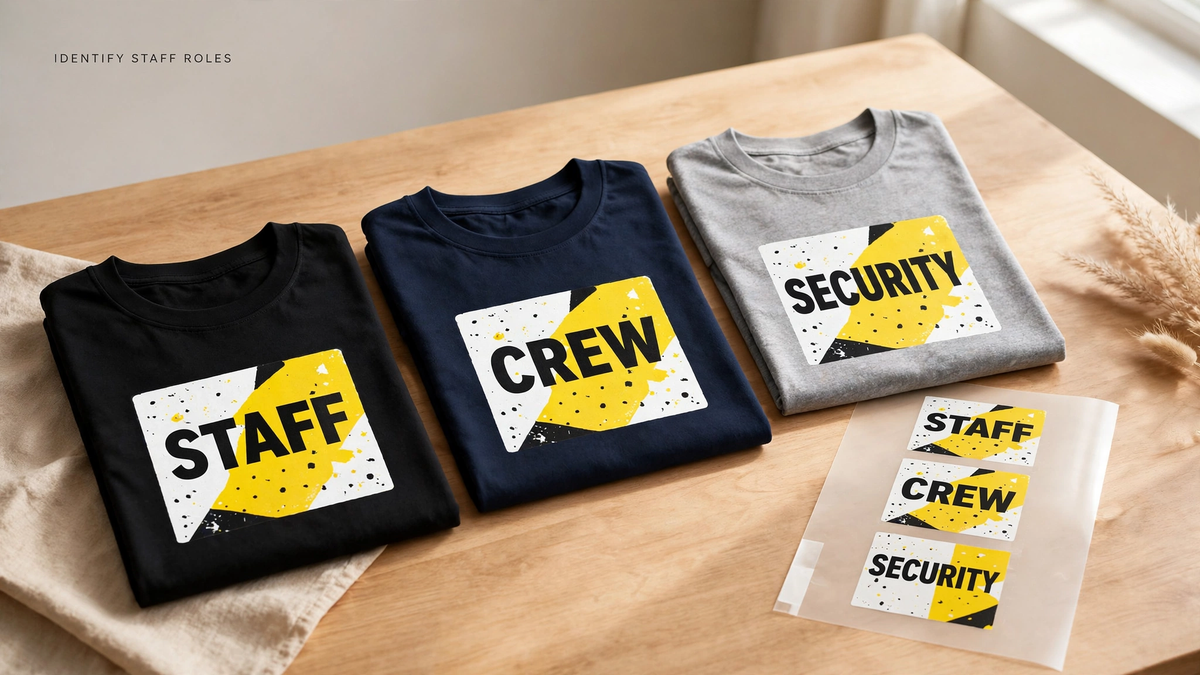
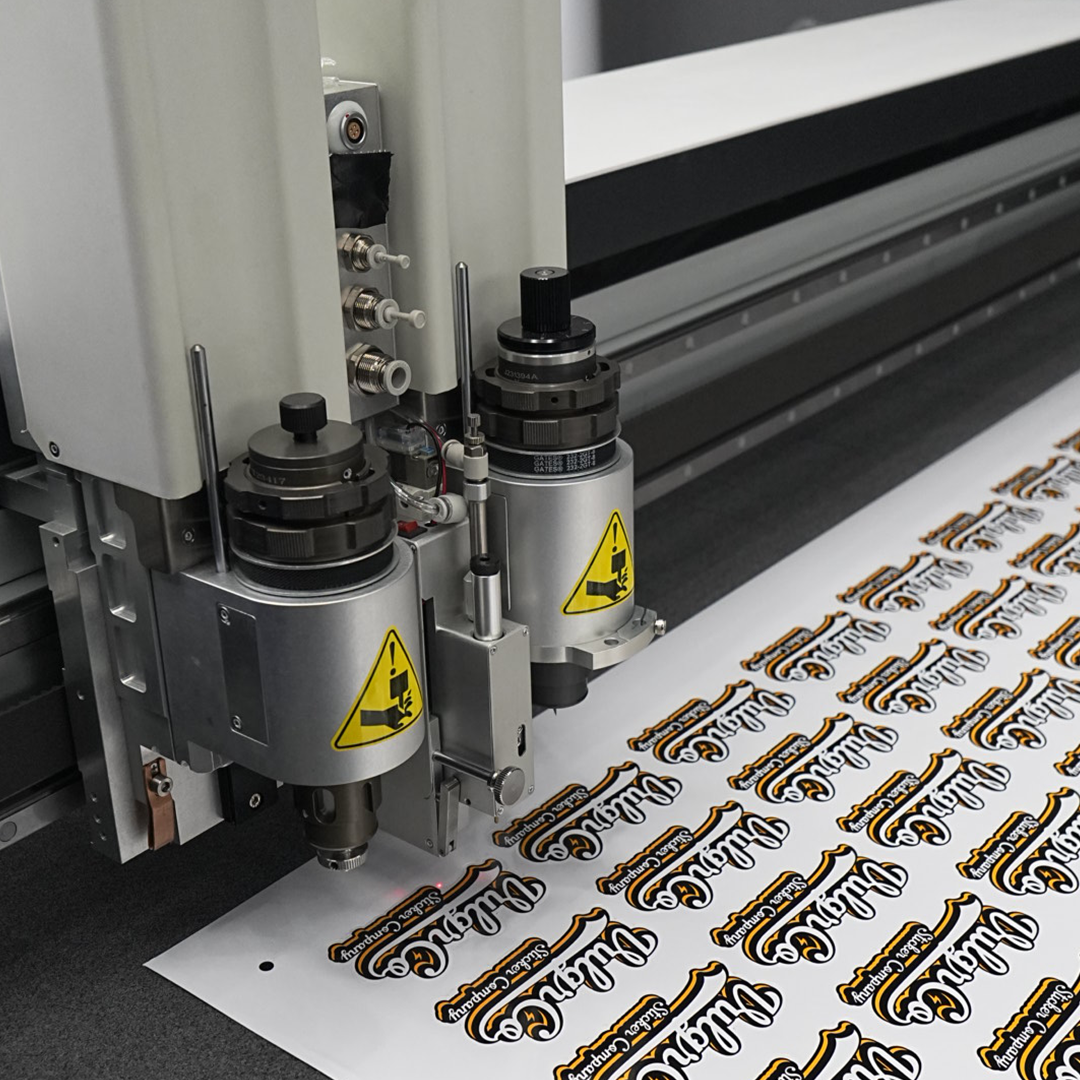
Order Wholesale DTF Transfers after confirming garment suitability and the production method. Test the chosen blanks using current instructions, then check completed shirts against the list. Label the packed shirts by recipient or agreed group so distribution does not become a second sizing exercise.
FAQs
Should the reunion date be printed on every shirt?
Include it when the garment is tied to that gathering, but confirm the date first. A family-name design can stay useful if the event schedule changes.
Can one design size cover children and adults?
Only if the actual layouts work on the chosen blanks. Compare the smallest and largest shirts; smaller garments may need simplified details or a separate artwork size.
How do I manage late additions?
Keep the source files, blank specifications, and approved sizes together. Confirm current availability and production timing before promising a matching replacement shirt for a late attendee.
Should shirts be sorted by size or person?
Use the distribution method the organizer can follow reliably. Recipient labels help personalized orders; a checked size-based list may be enough for a shared unpersonalized design.