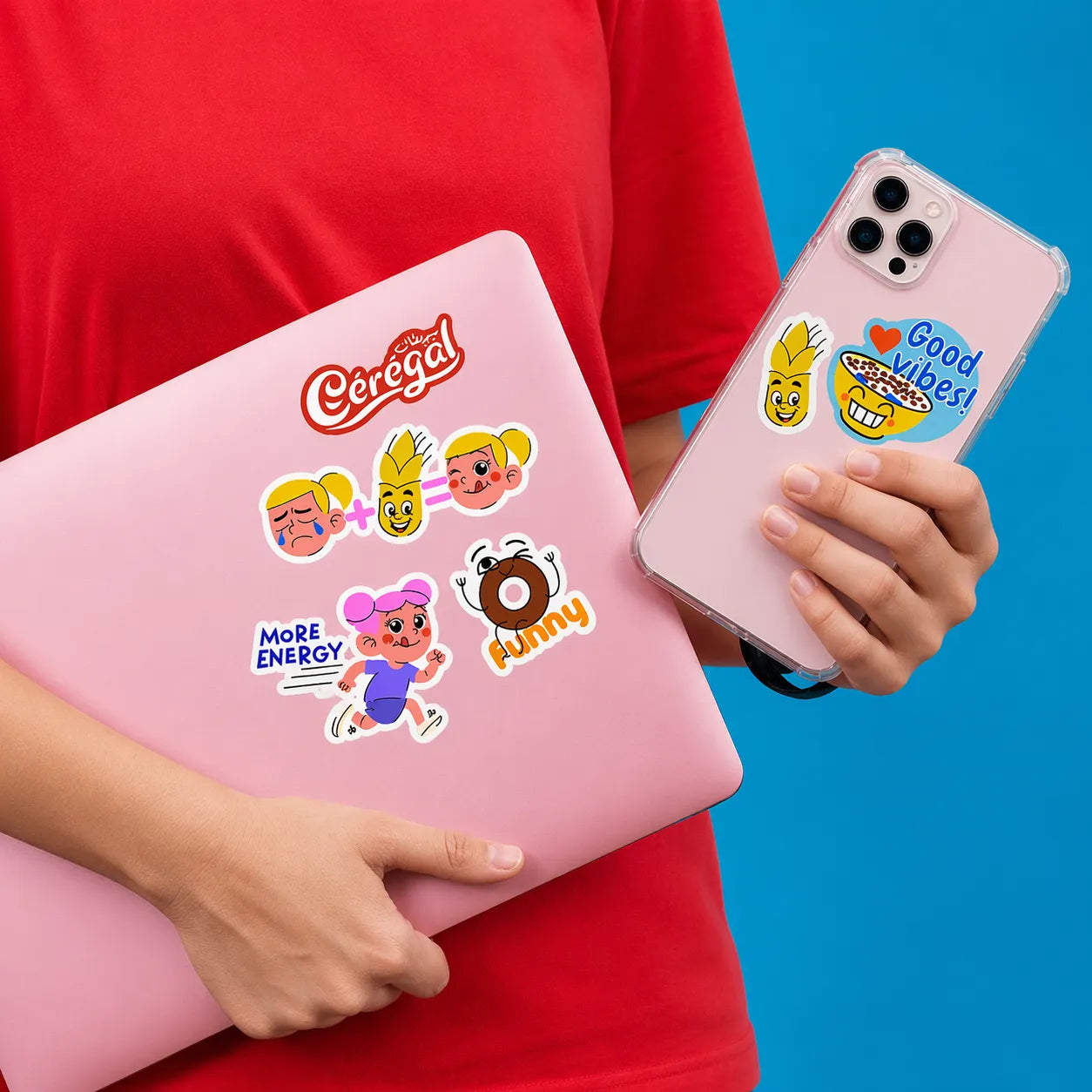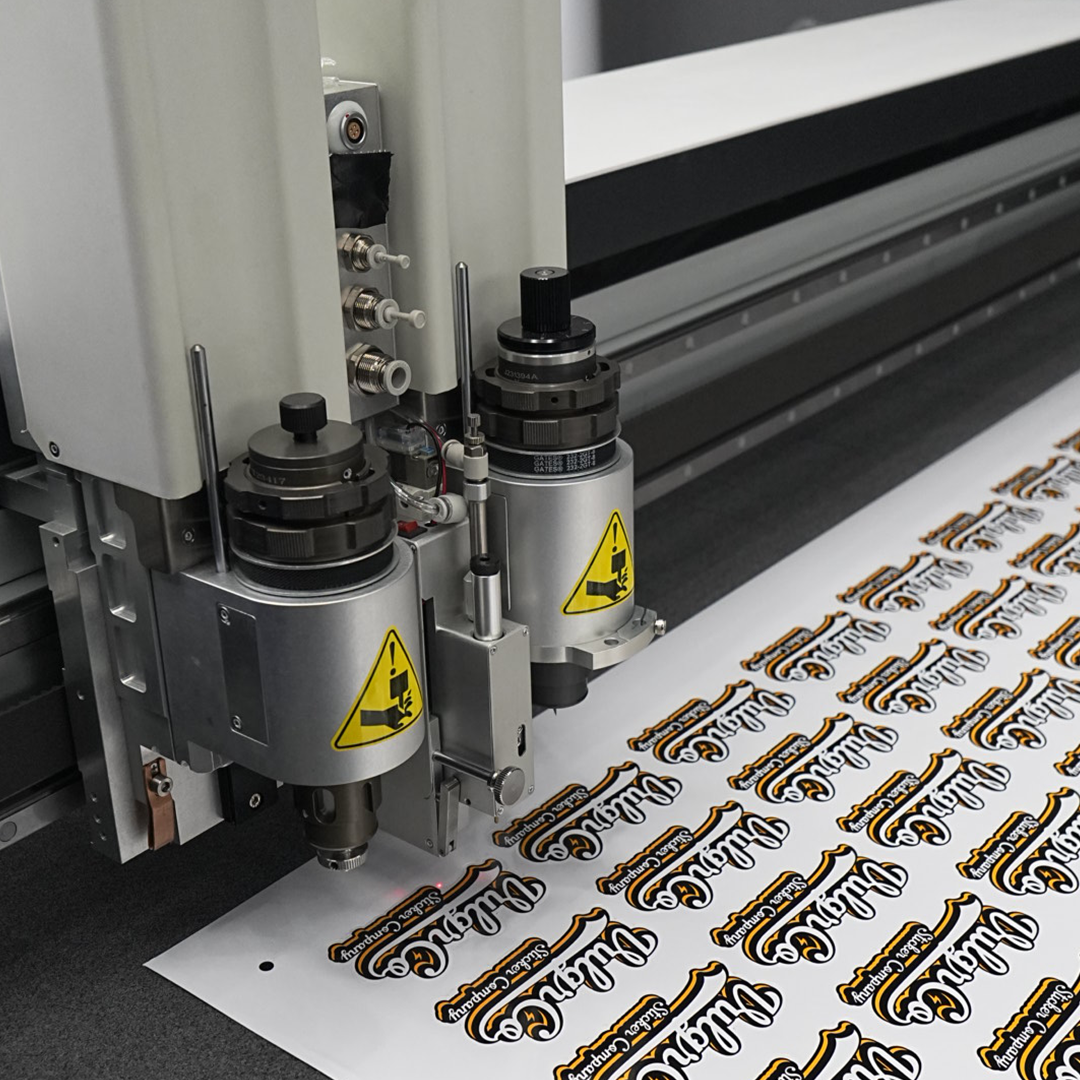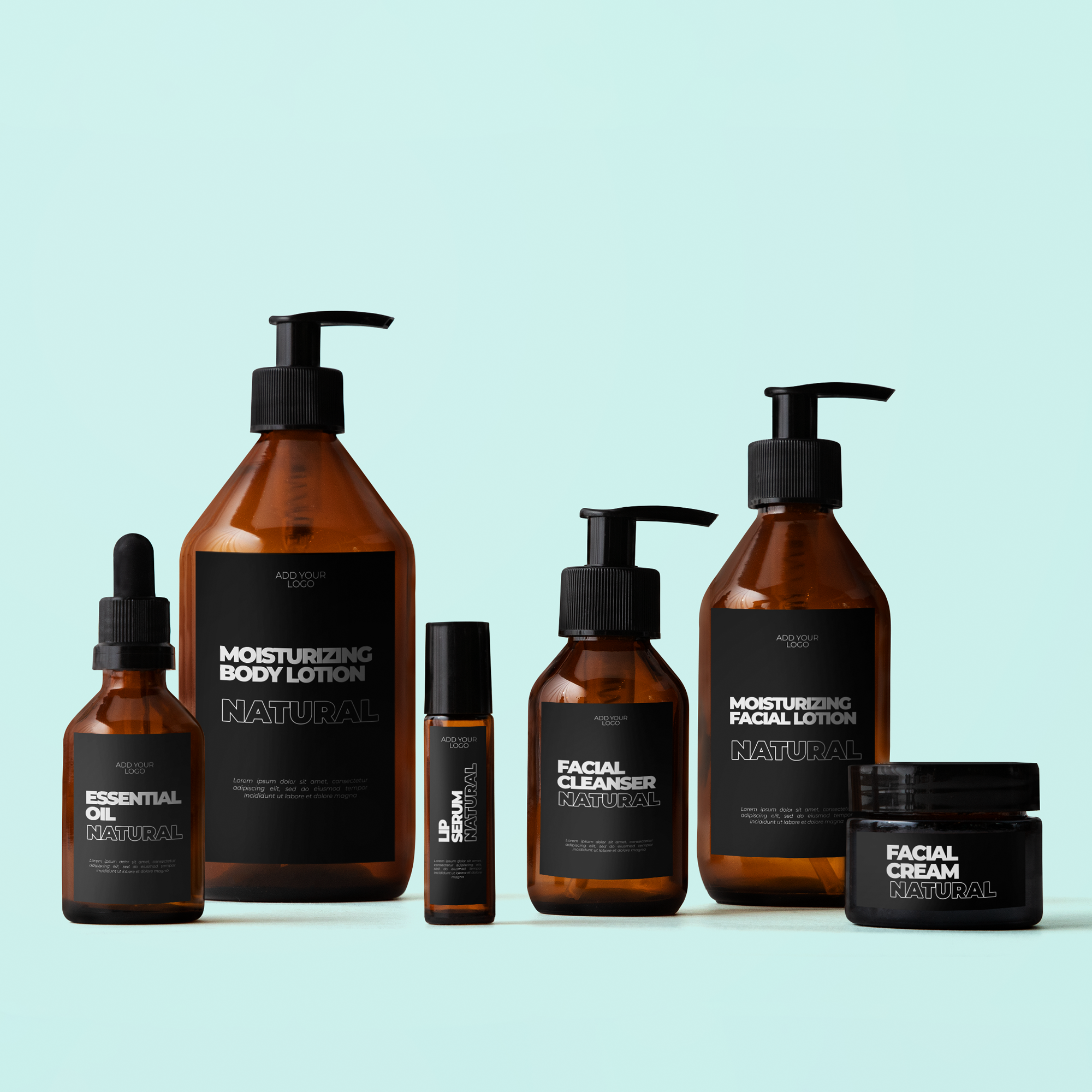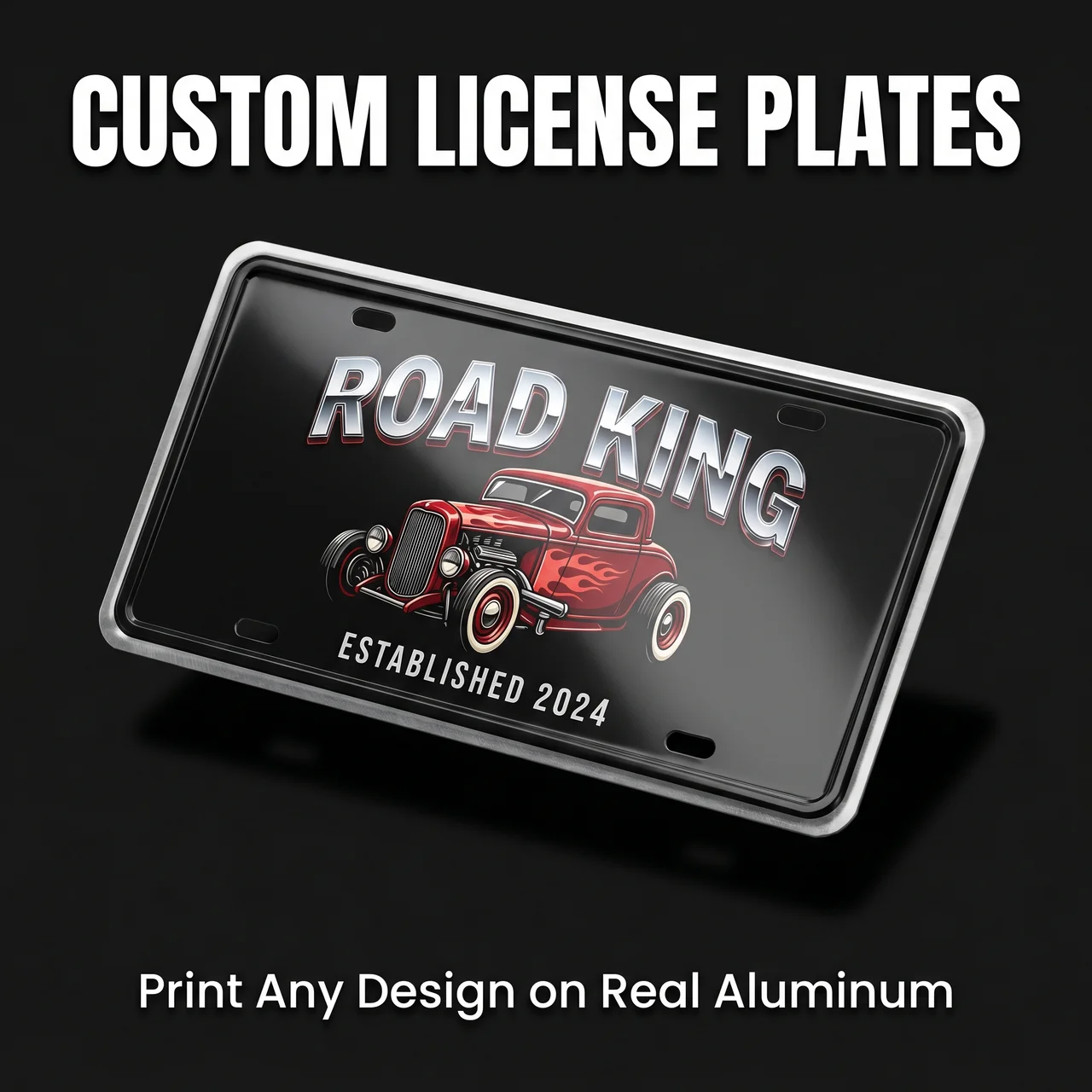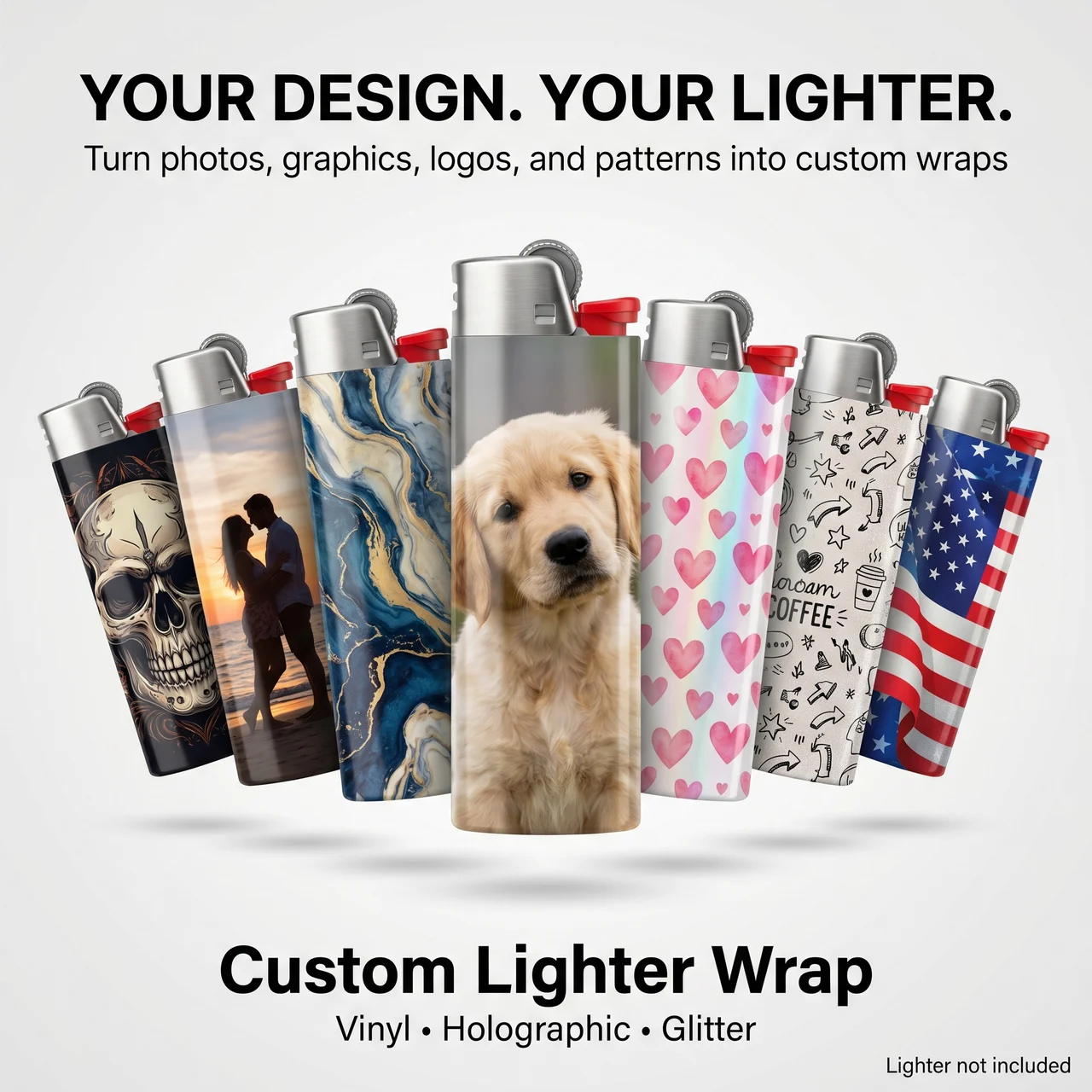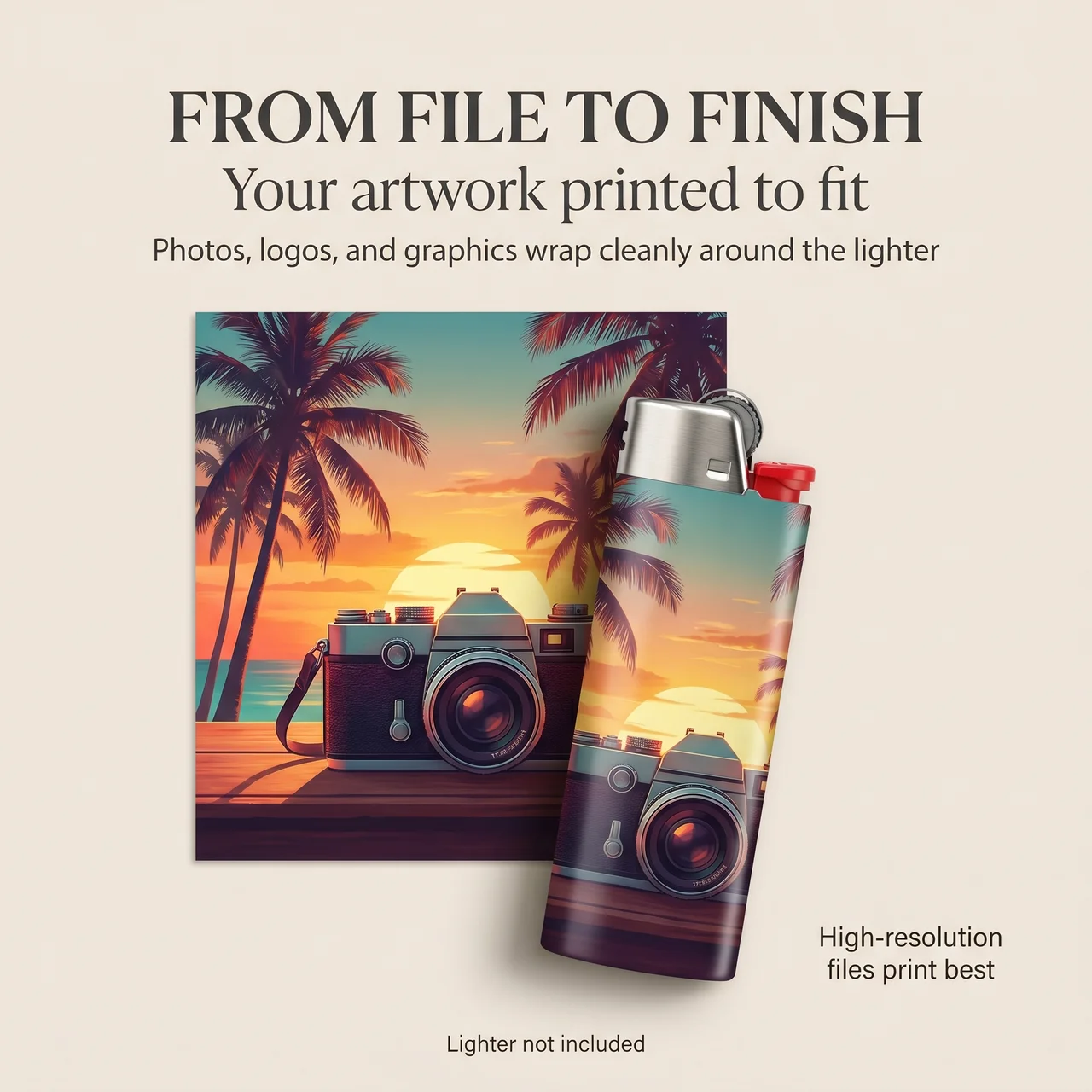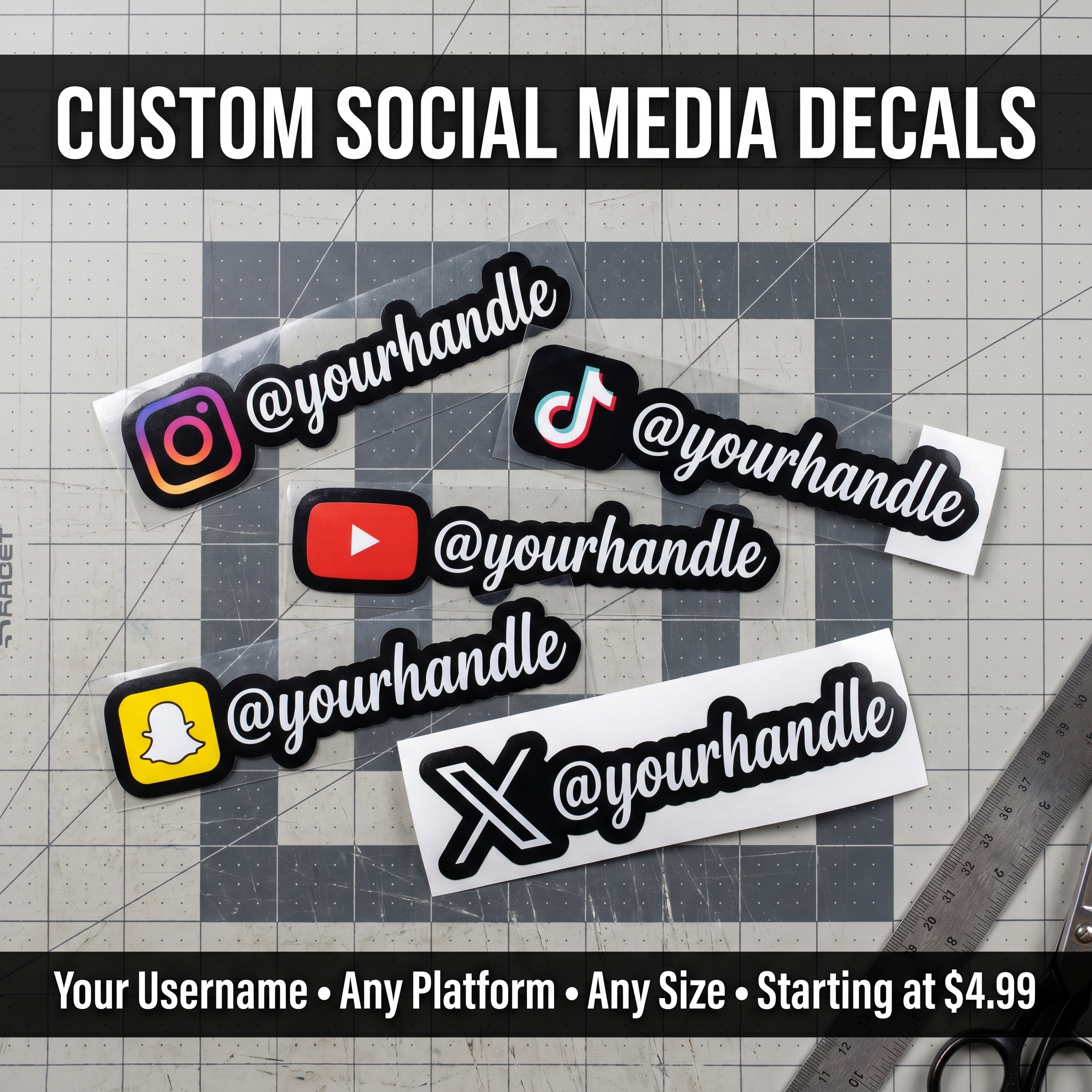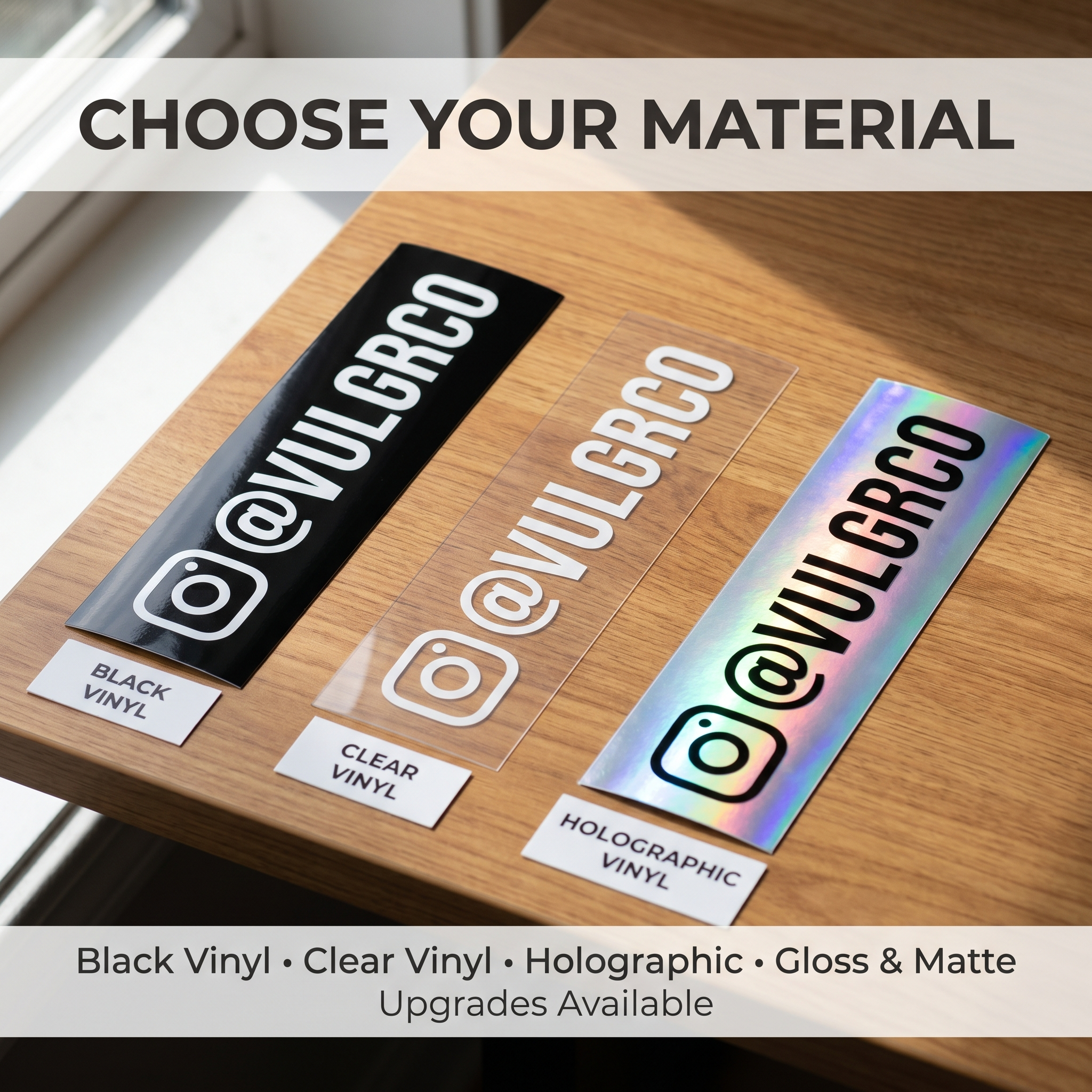

A shirt graphic and a graphic for a hard object can look similar in an online preview. That does not mean they use the same adhesive, equipment, or application process.
Start with the surface you want to decorate, then identify the product intended for that job.
Quick answer: textile DTF is a garment-transfer category. Confirm the exact supported surfaces and application process for the Perma product before choosing it.
On this page
- Separate the advertised application surfaces
- Confirm each product's application process
- Match artwork to the intended product
- Check limits before purchasing
- FAQs
Separate the advertised application surfaces
Write down the actual substrate: a cotton shirt, a coated bottle, a laptop case, or another object. Include coatings, texture, curvature, and exposure conditions.
“Custom transfer” is too broad to make the decision. A product name containing DTF does not establish that it can be heat-pressed onto clothing.
Keep the two purchase paths distinct. Garment decoration and hard-object decoration need their own compatibility checks.
Confirm each product's application process
Vulgrco's custom textile DTF transfers belong in a garment workflow using the current approved application guidance.
For the Vulgrco DTF 3D Perma product, ask for a product-specific answer covering supported surfaces, carrier handling, application method, and care.
Do not borrow textile pressing settings for that product. Do not assume that a peel-applied graphic can go through a garment press.
| Detail to confirm | Why it matters |
|---|---|
| Actual substrate | Compatibility starts with the surface |
| Application equipment | Heat application and peel application differ |
| Carrier handling | Determines installation sequence |
| Care and exposure limits | Defines the intended use |
Match artwork to the intended product
Choose the finished size for the object or garment, then review fine details and positioning.
A curved bottle may need a different composition from a flat chest graphic. A small mark might need wider strokes or fewer words.
Use a shared logo source, but export product-specific layouts. Similar appearance is a design goal; identical production files are not always practical.
Protect functional areas such as lids, controls, seams, or closures. A decoration should not interfere with the object it decorates.
Check limits before purchasing
Give the supplier the substrate and intended use. Ask what evidence supports any durability, washing, or exposure claim relevant to your project.
If the description does not clearly identify the process, pause the purchase decision until that information is clear.
Start with a representative sample when the surface is unfamiliar. Keep the approved instructions and artwork proof so a successful result can be repeated.
FAQs
Are textile DTF transfers and Perma stickers interchangeable?
No interchangeability should be assumed. Textile transfers and products intended for hard objects may have different materials and application processes. Choose using the exact supported substrate and current instructions, not a shared word in the product names.
Can I heat-press the Perma product onto a shirt?
Do not do so without explicit product-specific instructions confirming that use. Garment-transfer settings cannot safely be borrowed for another product. Ask the supplier to identify the supported application method and fabric compatibility before attempting it.
Is the Perma product definitely UV DTF?
The product name alone does not establish the production technology. Confirm the process directly with the supplier if it affects your decision. This guide does not relabel the product or infer its chemistry from how the finished graphic appears.
What information should I provide before ordering?
Describe the substrate, finish, shape, exposure conditions, graphic size, and intended cleaning routine. Ask for compatible application and care instructions. Those specifics help the supplier assess fit more accurately than a general question about whether the product is “permanent.”