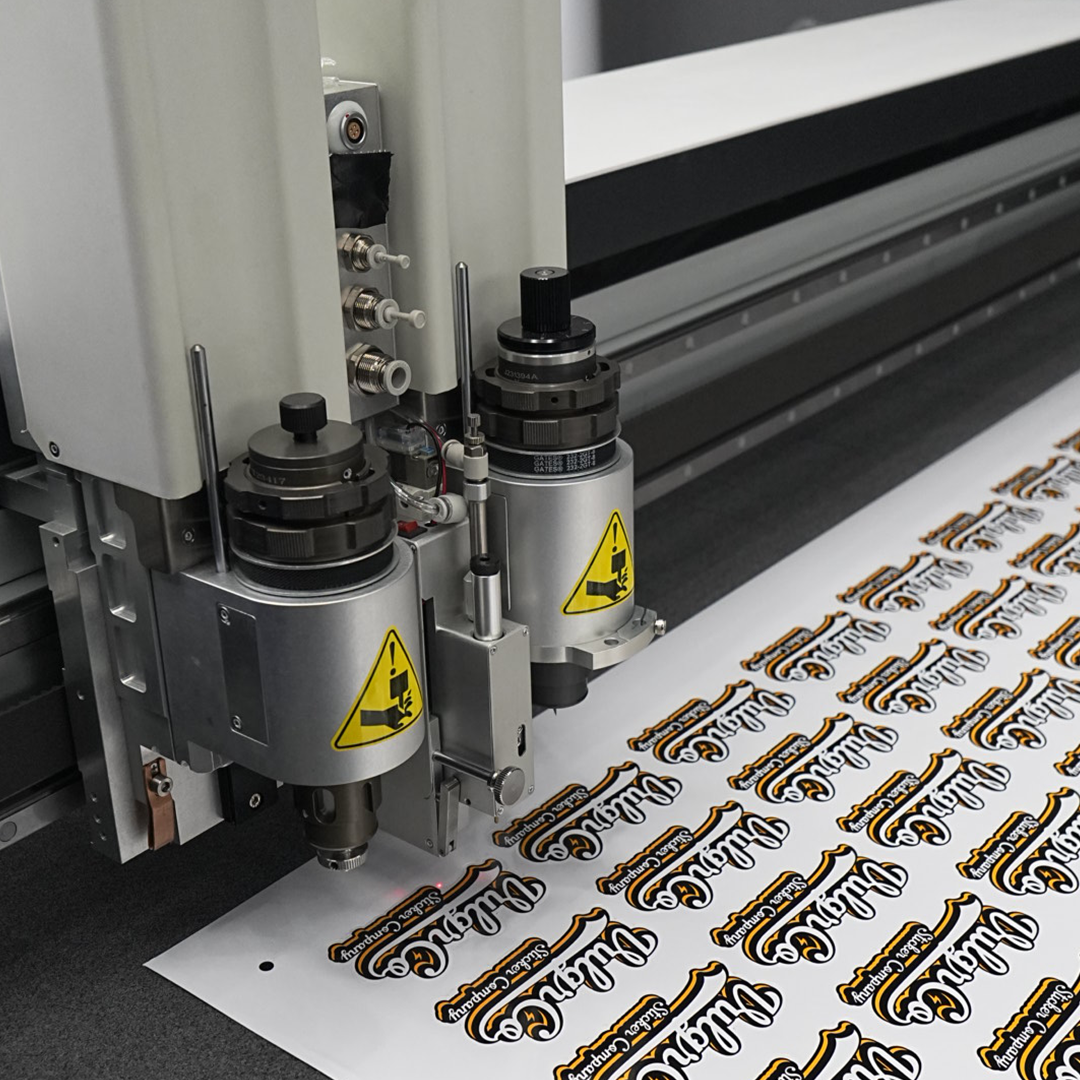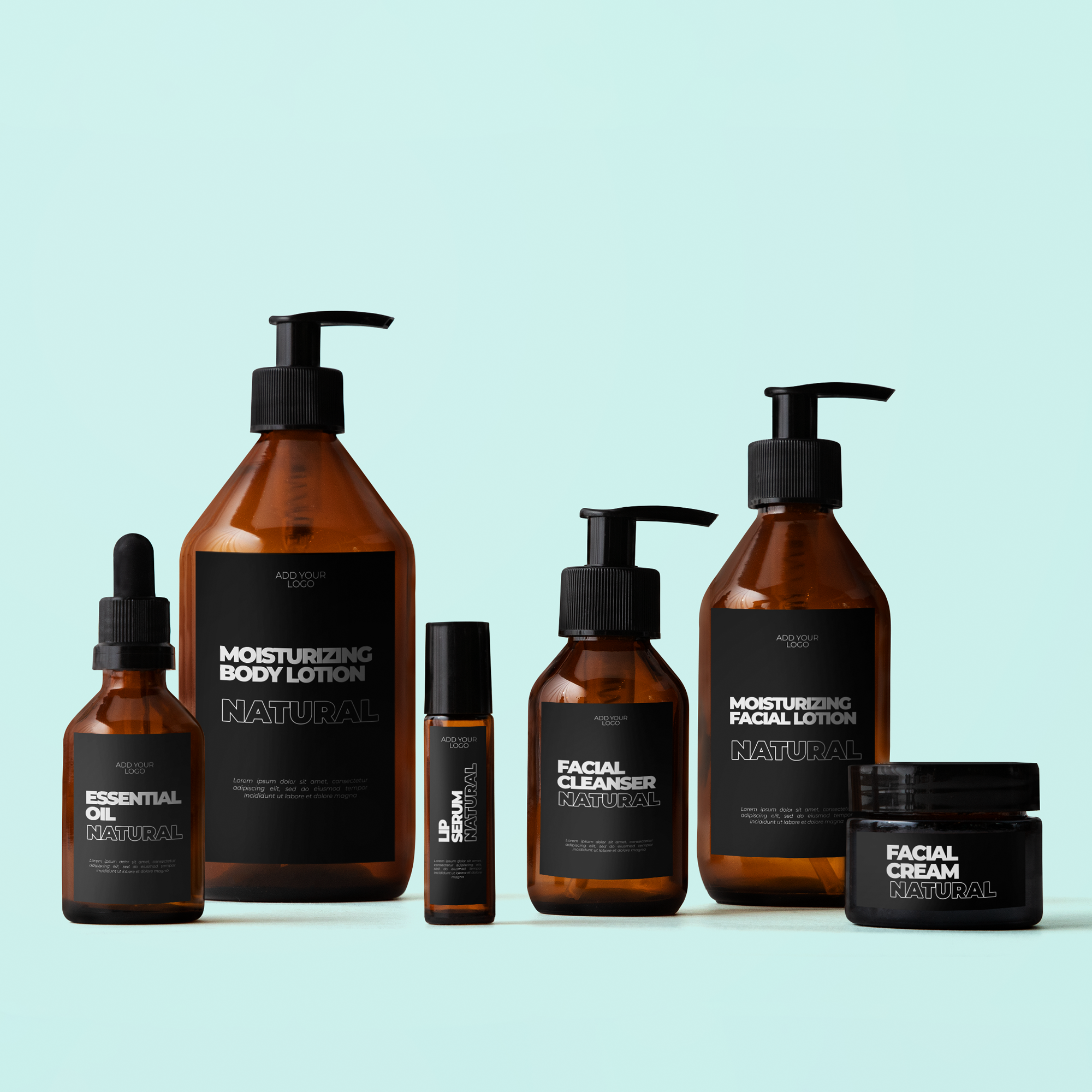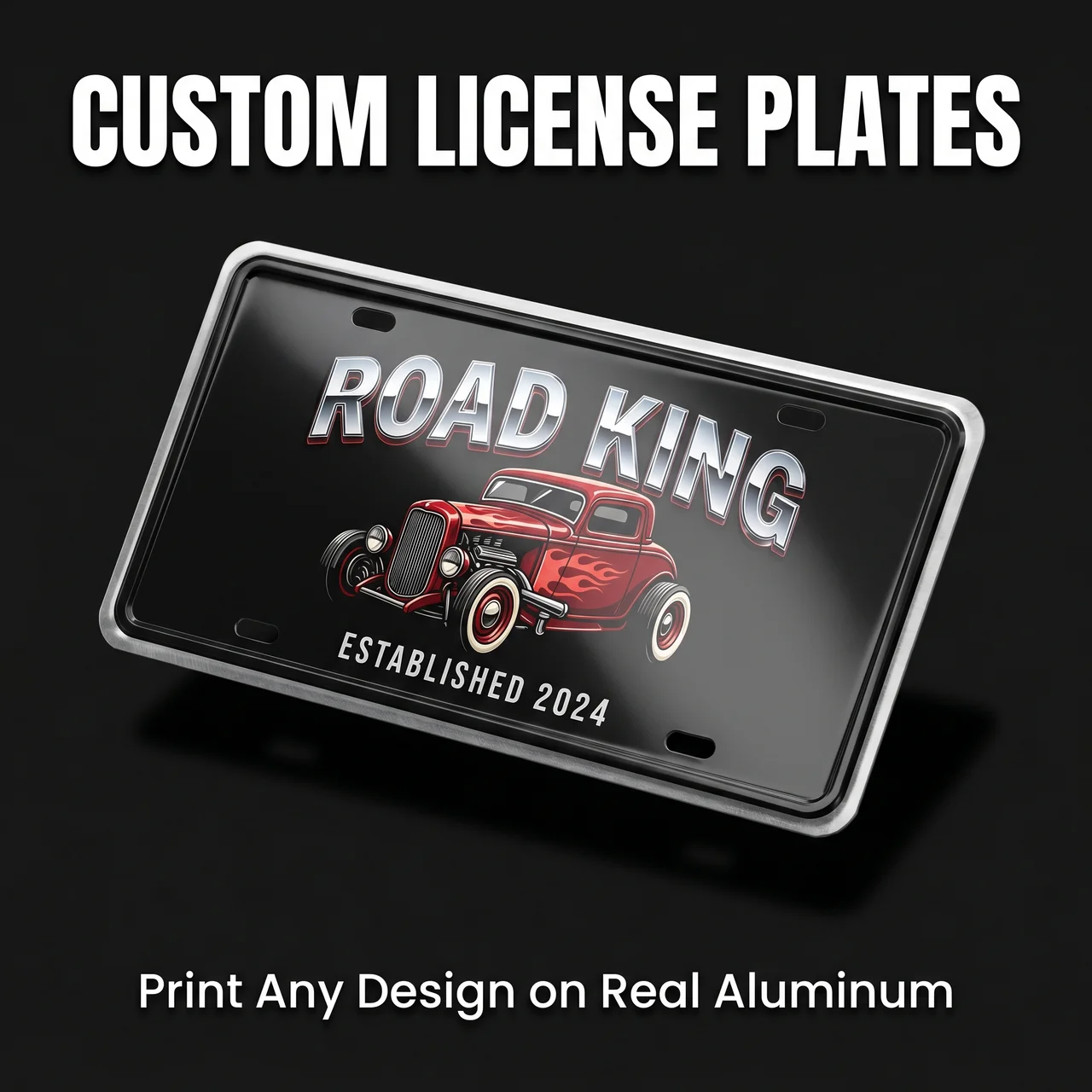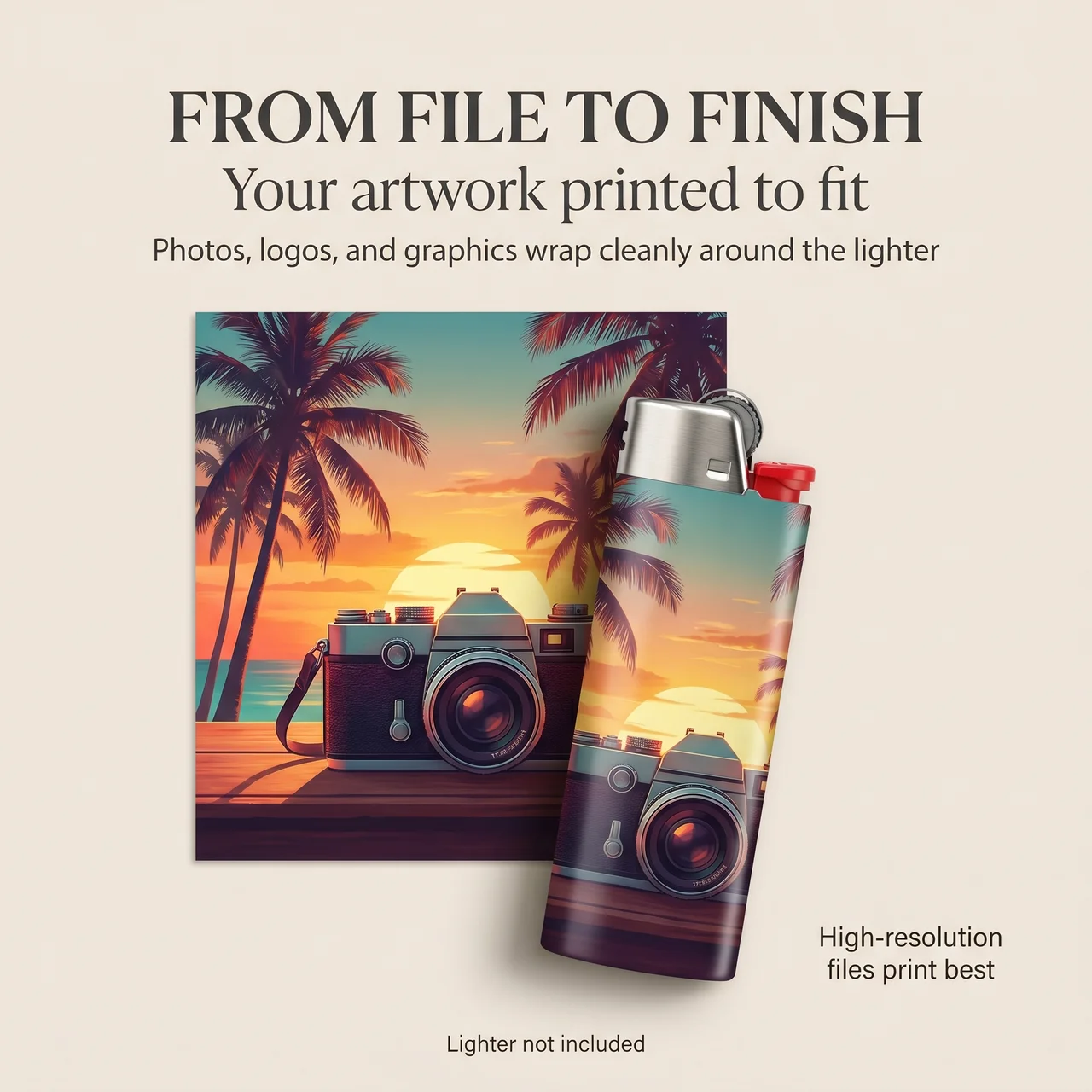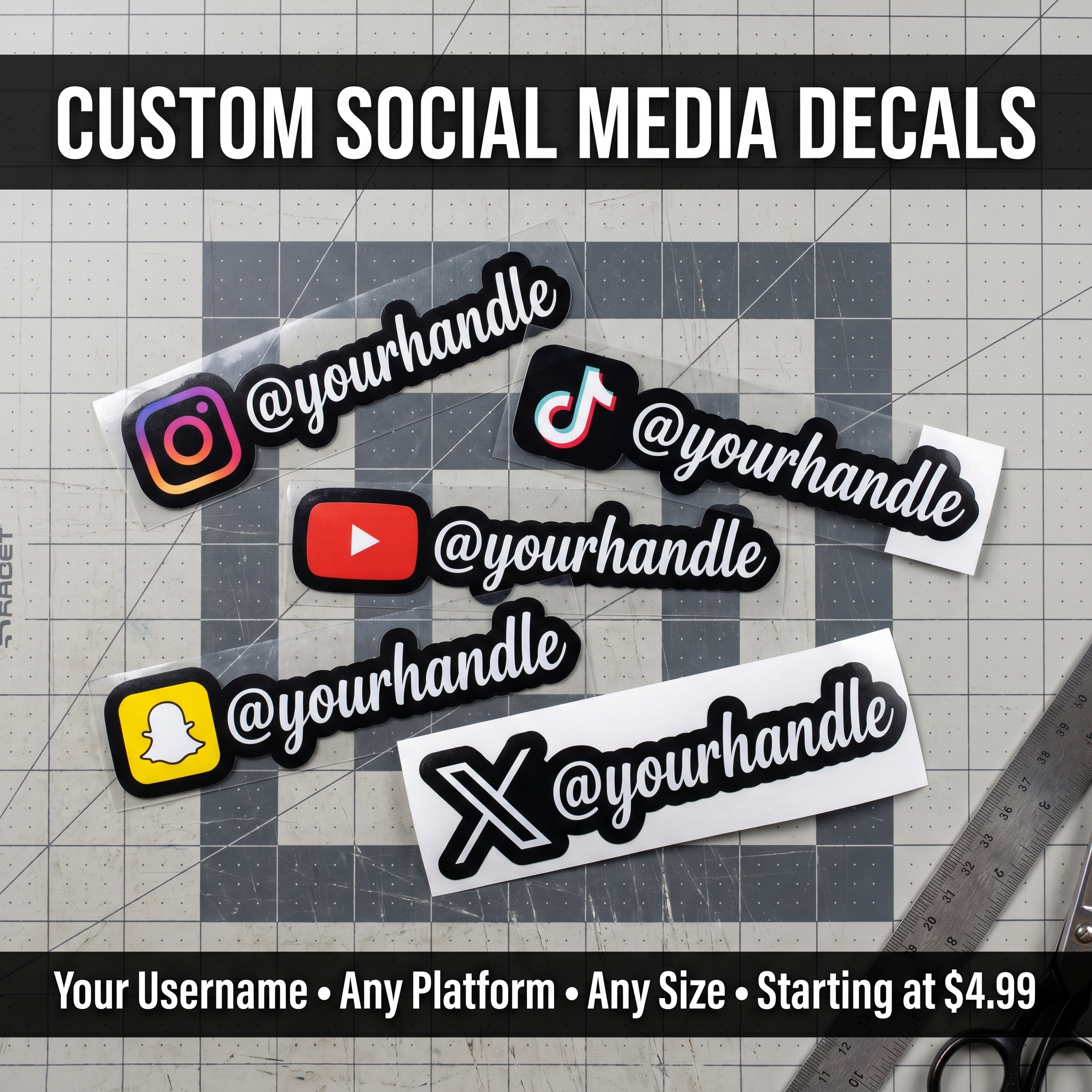

DIY stickers can be a sensible way to experiment. Professional printing can make sense when you need a particular material, a repeatable order, or less hands-on production work. The cheaper choice depends on what you count.
Compare the full job, not just the cost of a blank sheet.
Quick answer: match artwork, material, quantity, and finish; add your time and failed prints; then compare the result with a current professional quote.
On this page
- List the full DIY inputs
- Account for setup time and waste
- Compare matched material and quantity
- Decide when to outsource
- FAQs
List the full DIY inputs
A home-printing budget can include printable material, ink, cutting equipment, software, packaging, and test sheets. Existing equipment still has limits: it may not support the finish or output size you want.
Check which material is compatible with your printer and the supplier's application instructions. Do not assume a printable sheet and a professionally printed vinyl sticker will have equivalent performance.
Use a worksheet:
| Input | Record |
|---|---|
| Material | Cost and usable sheets |
| Ink or consumables | Estimated share used |
| Cutting | Equipment, consumables, and setup |
| Testing | Sheets used before saleable output |
| Handling | Packing and backing preparation |
If a cost cannot be estimated reasonably, note it rather than hiding it.
Account for setup time and waste
Your time is part of the comparison even when you do the work yourself. Record time spent aligning prints, cutting, peeling failed pieces, and inspecting the result.
A hypothetical batch might require 30 minutes of setup and 45 minutes of cutting and checking. Those figures are an example for the worksheet, not an industry average. Replace them with your own measured times.
Then calculate saleable output. If ten sheets produce fewer usable stickers than expected, divide the cost by the usable pieces, not the theoretical layout count.
Time matters differently by project. An artist enjoying a small experiment may value the process. A business packing orders each evening may value getting that hour back.
Compare matched material and quantity
Request a current price through the custom sticker ordering page. Match finished dimensions, shape, quantity, finish, and shipping assumptions with the DIY version.
If the materials differ, label that difference clearly. “DIY paper stickers versus printed vinyl stickers” is a useful comparison. Calling them the same product can produce a misleading savings claim.
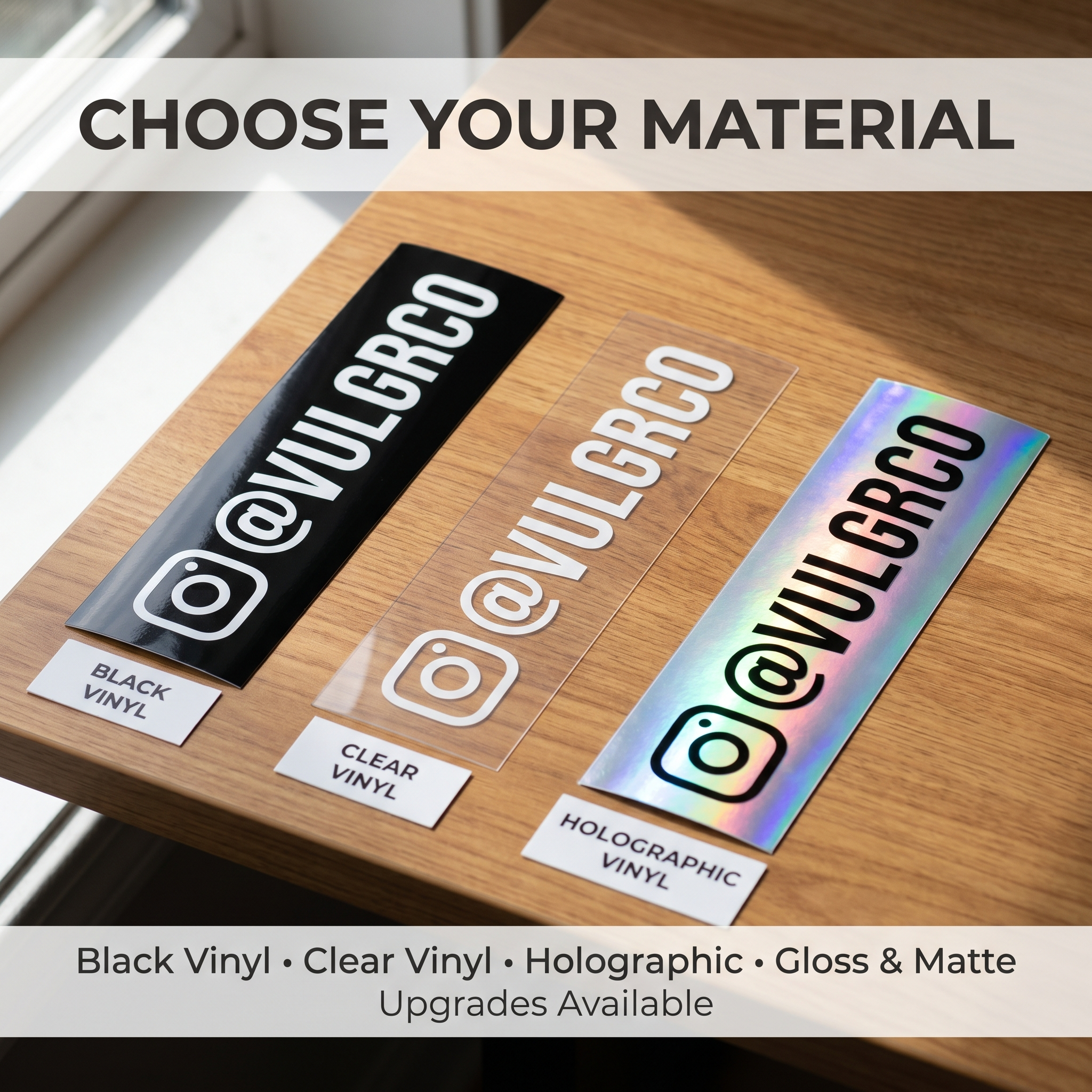
A material sample pack can help you understand the professional finish options before comparing costs. It does not establish that a home-printable material has identical properties.
Avoid calculating long-term costs from a temporary promotion. Save the date and details of the quote you actually used.
Decide when to outsource
DIY can suit a changing design, a learning project, or a small trial that uses equipment you already know. Outsourcing can suit repeated artwork, finish requirements, or a schedule that leaves little time for production.
Write your decision in one sentence: “I want to experiment with five designs,” or “I need a consistent batch for customer parcels.” That makes the tradeoff easier to judge.
For recurring work, compare a second batch too. Setup and learning can affect the first run more heavily, while a professional reorder may follow a different workflow.
Choose around the actual material and the value of your time. A low material cost is useful only if the finished result meets the job.
FAQs
Is home printing cheaper for small batches?
It can be, particularly when suitable equipment is already available, but the answer changes with material, setup, waste, and your time. Compare actual usable output with a matched current quote. Do not treat equipment already purchased as proof that every future batch is inexpensive.
What costs are easy to miss?
Test sheets, ink, cutting setup, replacement consumables, failed pieces, and inspection time are common worksheet omissions. Shipping and packing can matter too. Record what your particular process uses rather than adding an unsupported standard allowance.
Can DIY and professional finishes differ?
Yes, the available materials and production processes may differ. Check each supplier's actual specifications instead of assuming equivalent appearance or performance. A material sample can help with visual comparison, while documented instructions are needed for use and care decisions.
How do I compare quotes fairly?
Use the same quantity, finished size, artwork, and intended finish. Include delivery and any setup charges, and record the quote date. If one option uses different materials or provides different services, show that difference instead of reducing everything to price per piece.