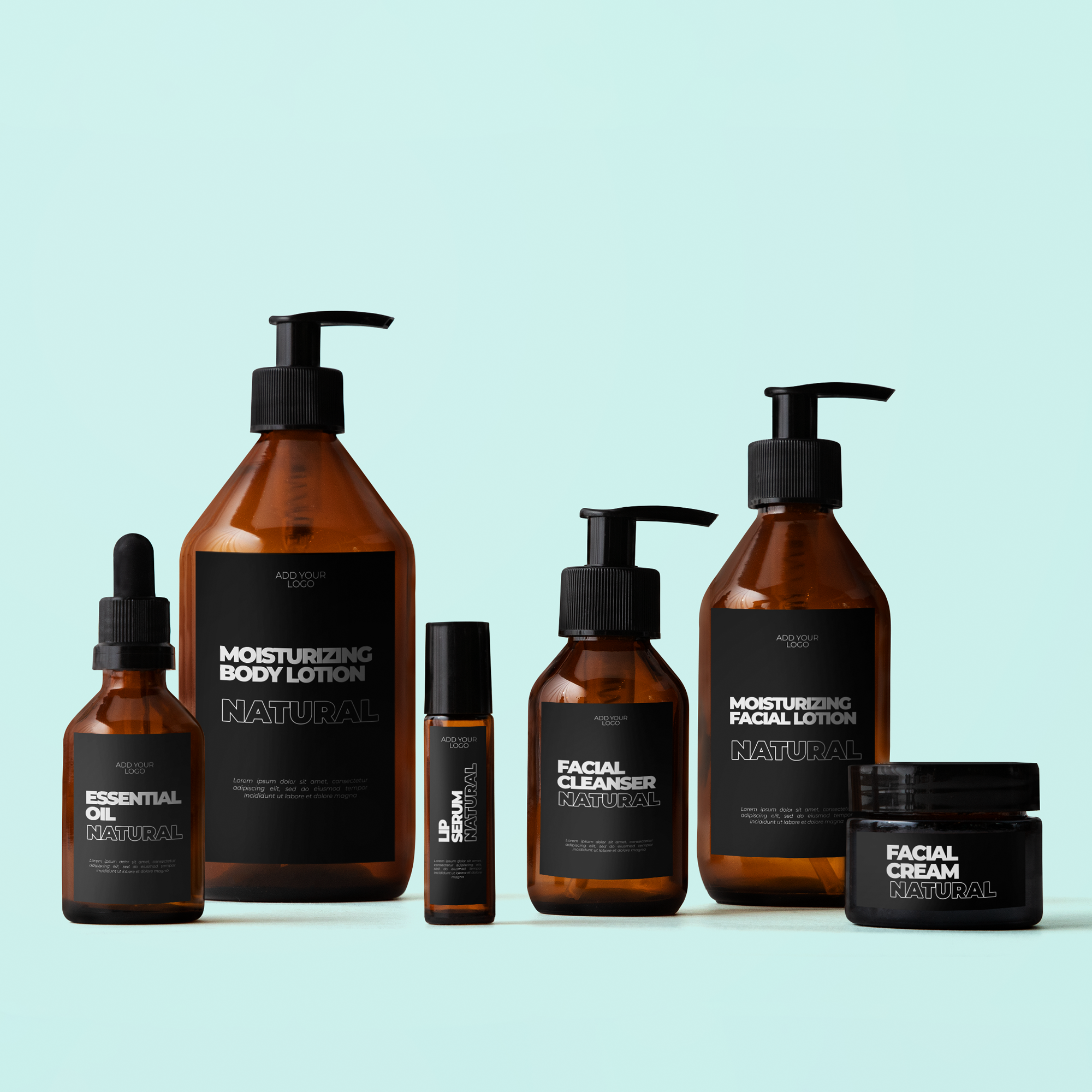

To measure a bottle for labels, identify the usable panel before measuring the whole container. You need enough width and height for the design without crossing a shoulder, seam, or curve that complicates application.
A flexible tape or paper strip is often more useful than guessing from the jar's capacity.
Quick answer: measure usable height, measure around the intended application band, choose a seam gap or overlap deliberately, and test a paper mockup.
On this page
- Find the straight application area
- Measure width and height
- Allow for taper and seams
- Test the paper template
- FAQs
Find the straight application area
Look at the container from the side. The widest visible area may include a shoulder or curved base. A rectangular label placed across those changes can be difficult to align.
Mark the intended top and bottom edges with removable reference points that do not damage the container. Measure the distance between them.
For a tapered jar, the circumference changes with height. A single measurement taken at the widest point does not guarantee that a rectangular label fits evenly across the full panel.
Use the same container model you plan to sell. A similar-looking replacement can have different dimensions.
Measure width and height
Wrap a paper strip around the intended band, keeping it level. Mark where it meets, then lay it flat to measure the circumference.
If you want a partial front label, measure the width that stays comfortably in view rather than using the entire circumference. For a full wrap, decide how the ends should meet.
A hypothetical straight-sided jar might have a circumference of ten inches and a usable height of two inches. That example describes a measurement method, not a recommended label size. Your seam decision and safe area still affect the artwork.
Record:
- Container model or supplier reference.
- Application-panel height.
- Circumference at the application band.
- Proposed label width and height.
- Intended gap or overlap.
Allow for taper and seams
Check the container's manufacturing seam and any raised features. A design crossing them may not behave like one applied to a smooth panel.
Do not assume an overlap is harmless. It may change the visible artwork or create a raised edge. A deliberate gap can make alignment easier, but its appearance must fit the design.
A tapered surface may need a different shape or a smaller label panel. Ask about practical options instead of stretching the rectangle until it appears to fit on screen.
When considering vinyl labels, confirm the actual adhesive and surface guidance separately from the dimensions.
Test the paper template
Cut out the proposed label and place it on the actual container. Check the front view, side view, seam, and alignment.
Fill the container when the contents affect the appearance. Clear packaging can change contrast; a flexible or lightweight package can change shape.
Prepare custom label artwork only after the mockup fits. Put the product name and critical text in the most visible area rather than distributing everything evenly around the wrap.
On the proof, recheck the finished dimensions and any border treatment. A neat label begins with a real measurement, not a guess from “eight-ounce jar.”
FAQs
How do I measure a curved bottle?
Measure the specific band where the label will sit using a flexible tape or level paper strip. Check the usable height and any change in circumference across it. If the surface tapers, test the proposed shape instead of assuming one rectangle will fit evenly.
Should a label overlap itself?
Choose that intentionally after checking the package and adhesive guidance. An overlap can create an edge or affect the visible design. A gap is another option. Make the seam treatment clear in your layout and inspect it on a paper mockup.
Why do tapered jars wrinkle?
The surface width changes along the label's height, so a flat rectangular piece may not align evenly with the shape. Material and application also matter. Consider a smaller panel or appropriate shape, and test it on the actual jar before ordering.
Do I need a full-wrap label?
Only if the information and design benefit from it. A front panel can be simpler and keep important content visible. Compare the space required for product information with the container's usable area, then choose a format that fits without crowding.