
Label material for moisture and oil should be chosen around the actual product and how people handle it. A bottle in a refrigerator, a jar handled with oily fingers, and a parcel rubbed during shipping are different tests.
Water resistance does not answer every material question.
Quick answer: describe the exposure, check the face material and adhesive separately, and test the printed label on the real filled container.
On this page
- Describe the handling environment
- Check face stock and adhesive separately
- Compare documented material limits
- Test the filled container
- FAQs
Describe the handling environment
Write a short account of ordinary use. Include where the product is stored, what touches the package, and how it is cleaned.
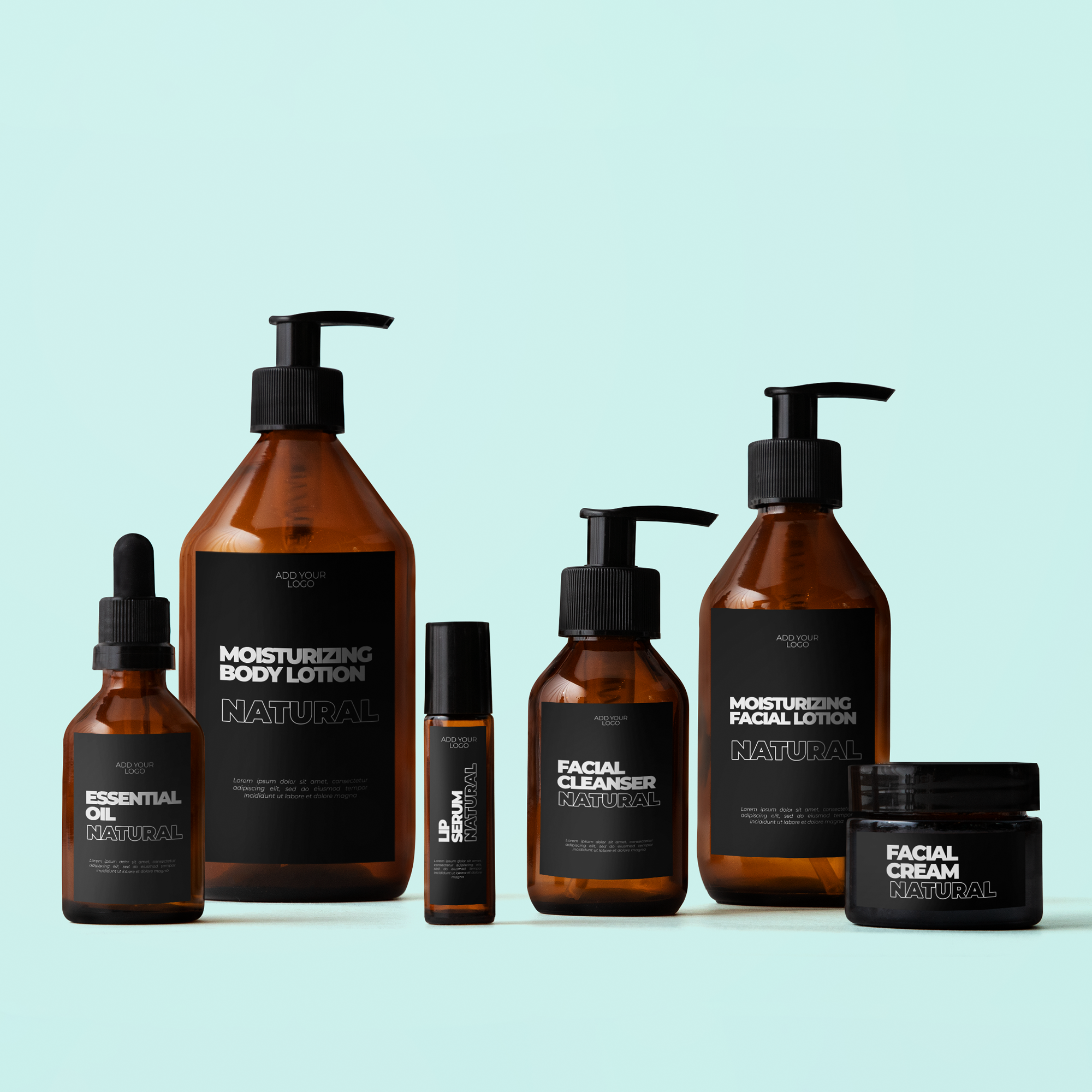
For example, a skincare jar may be handled with product on the user's hands. A beverage container may encounter condensation. A shipping label may be rubbed against neighboring parcels.
Do not treat these as one generic “durable label” requirement. The relevant questions differ.
Use a checklist:
- Moisture, splashes, or condensation.
- Oily handling or contact with the product.
- Frequent rubbing or scraping.
- Cleaning method.
- Storage conditions.
- Application surface.
Keep the description realistic. It should reflect ordinary use, not a dramatic test unrelated to the product.
Check face stock and adhesive separately
The visible material and the adhesive do different work. A face stock that appears suitable does not establish that the label will bond properly to every container.
Ask about the actual surface: smooth glass, a specified plastic, coated metal, or another material. Mention texture and curvature.
Also ask how the printed finish should be handled. An unprinted material sample does not necessarily answer how the finished ink and coating will respond.
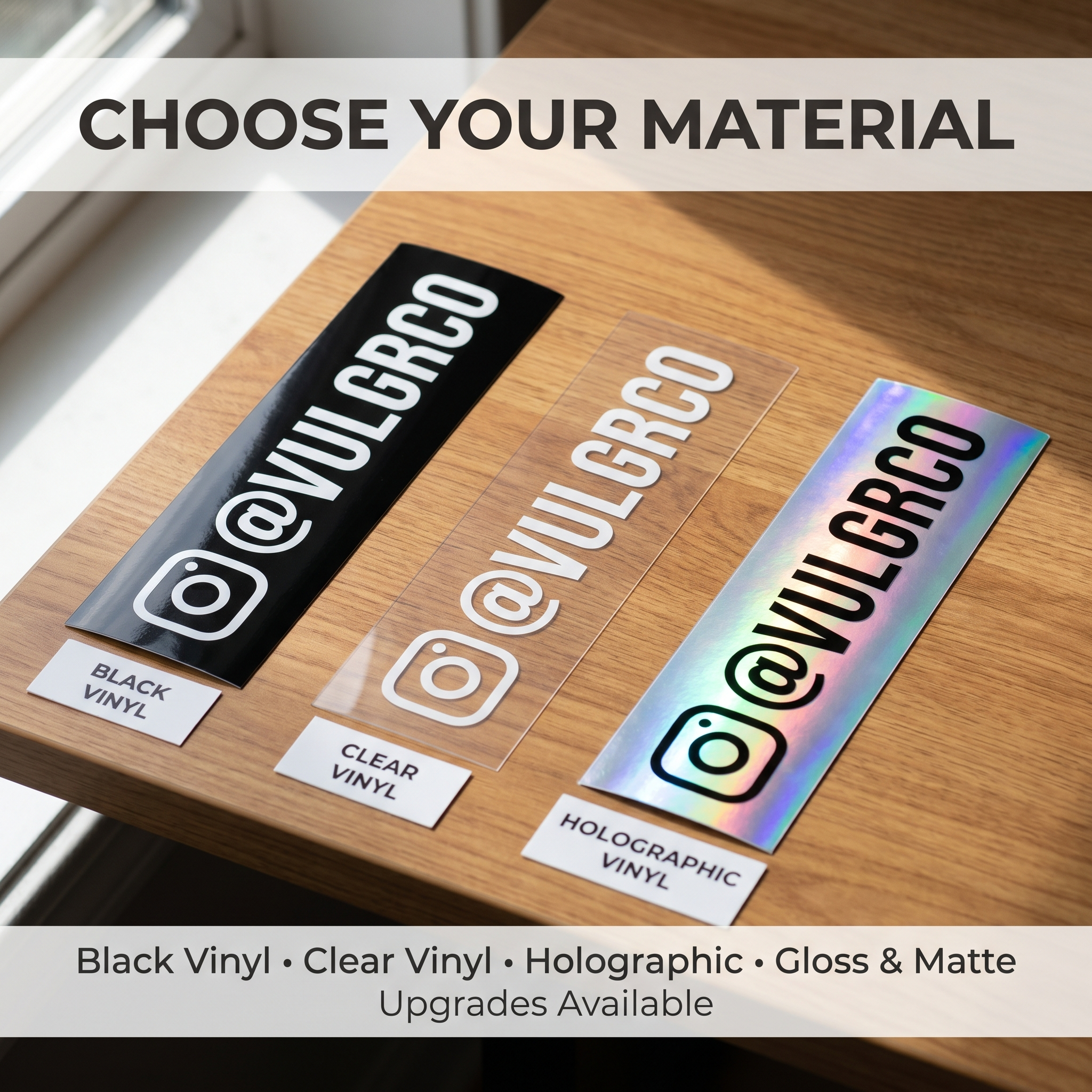
When reviewing vinyl label options, look for current instructions and limits. Avoid translating a broad product adjective into a promise of resistance to every cleaner or oil.
Compare documented material limits
Create a small comparison table for the options you are considering. Include an “unknown” entry when guidance has not been supplied.
| Requirement | Evidence to request |
|---|---|
| Condensation | Relevant application and moisture guidance |
| Oily handling | Finished-print contact limitations |
| Rubbing | Documented finish and wear guidance |
| Cold storage | Adhesive/application conditions |
| Irregular container | Suitable size, shape, and surface advice |
Heavy-duty labels can be considered as an option, but the name is not an oil-resistance or food-contact certification. Confirm the facts that matter to the project.
If the contents are regulated, keep packaging compliance and label-material performance as separate reviews. A suitable adhesive does not establish that the label copy is compliant.
Test the filled container
Use a small sample with the intended printed design and follow the approved application method. Fill or simulate the finished package where appropriate.
Inspect adhesion, print appearance, and readability during normal handling. Record which material and container were used so the result can guide the order.
If a label fails, identify what failed. Edge lifting, smudged print, and a hard-to-read design call for different changes. Do not solve every problem by ordering a thicker-looking material.
Choose the product that matches documented conditions and a sensible application test. That is a better buying decision than relying on the strongest marketing term.
FAQs
Does waterproof mean oil resistant?
No. Water-related performance does not establish resistance to oils, product ingredients, solvents, or cleaners. Ask about the finished print and adhesive in the actual contact conditions. Describe the substance and handling rather than requesting a vague “extra durable” label.
Will labels stick to textured bottles?
It depends on the texture, surface material, adhesive, and label size. A label intended for smooth contact may behave differently on ribs or rough areas. Ask for compatibility guidance and test the actual container before committing to a larger batch.
Can refrigeration affect adhesion?
Storage and application conditions can matter, but the effect depends on the actual adhesive and container. Tell the printer whether labels are applied before or after chilling and whether condensation is present. Use current product instructions rather than a general cold-storage assumption.
What should a test batch include?
Use the actual container, selected material, intended artwork, approved application method, and ordinary handling conditions. Inspect both print and adhesion. Record the setup and results so you can compare options without presenting an informal test as a formal certification.