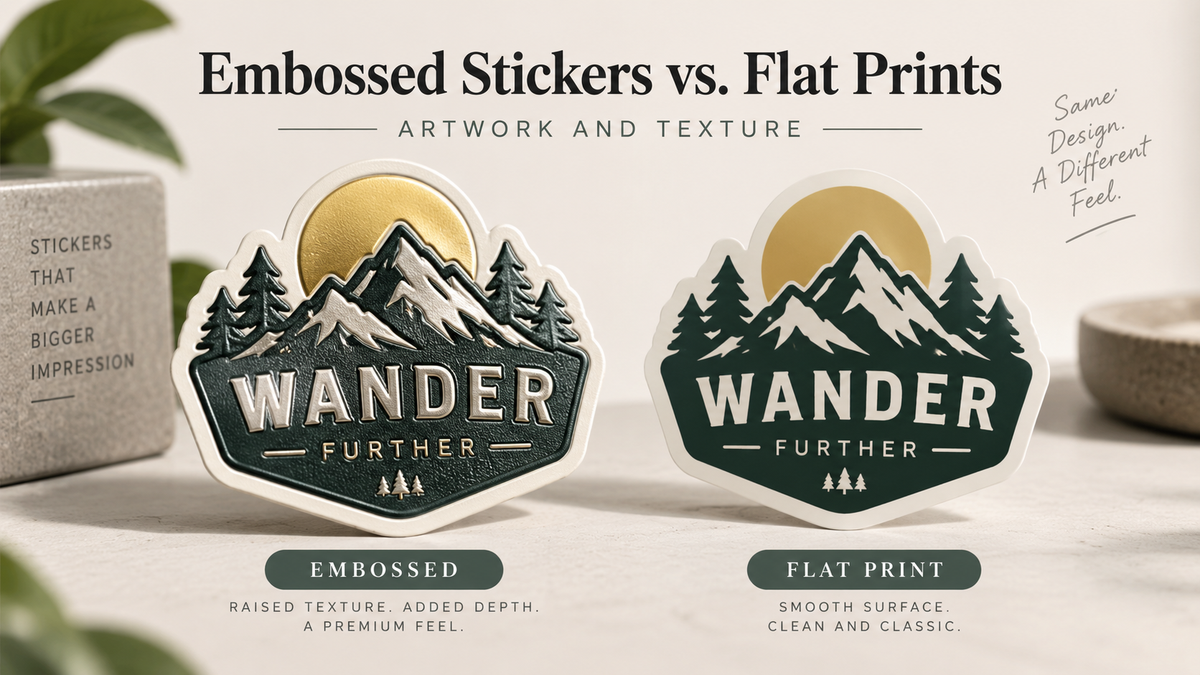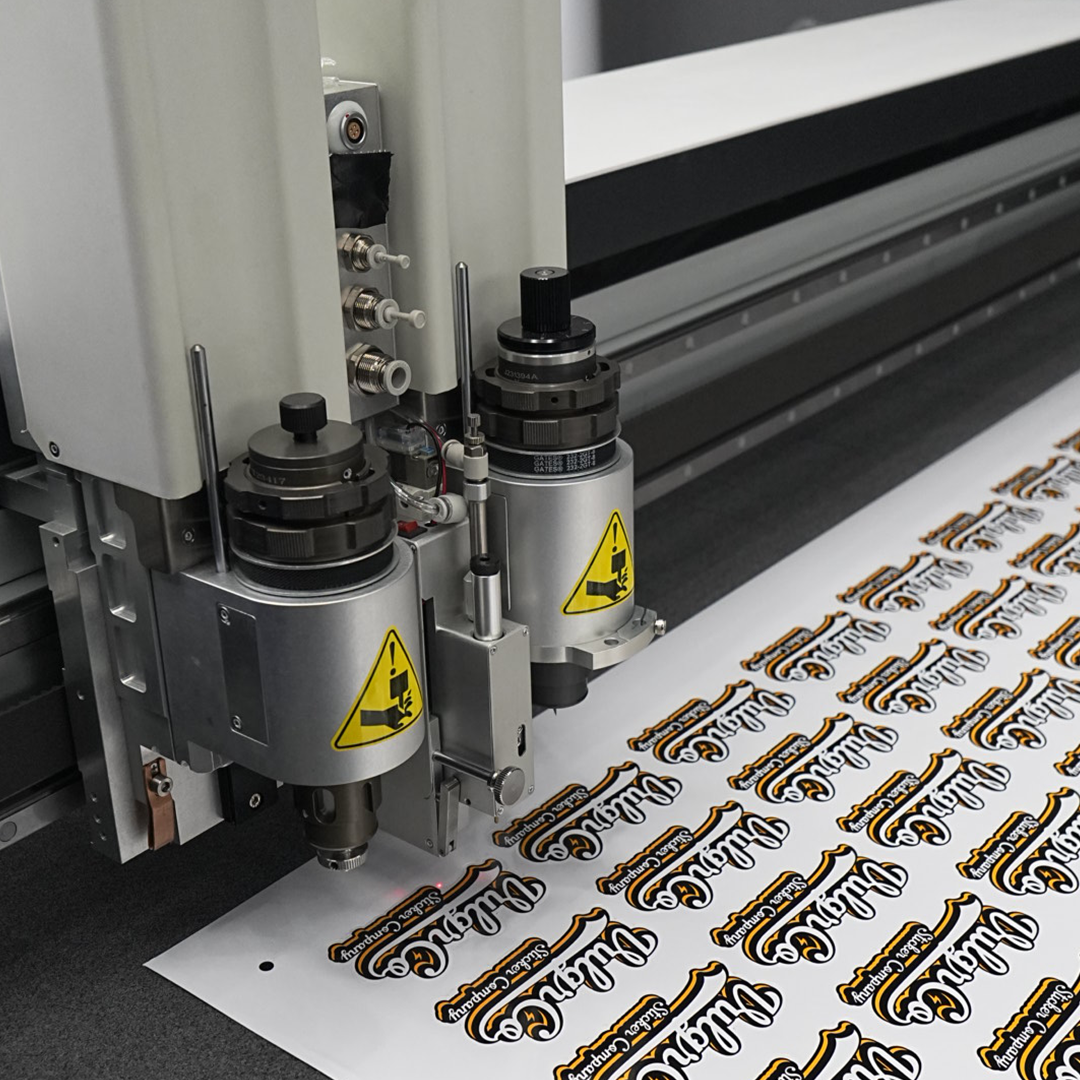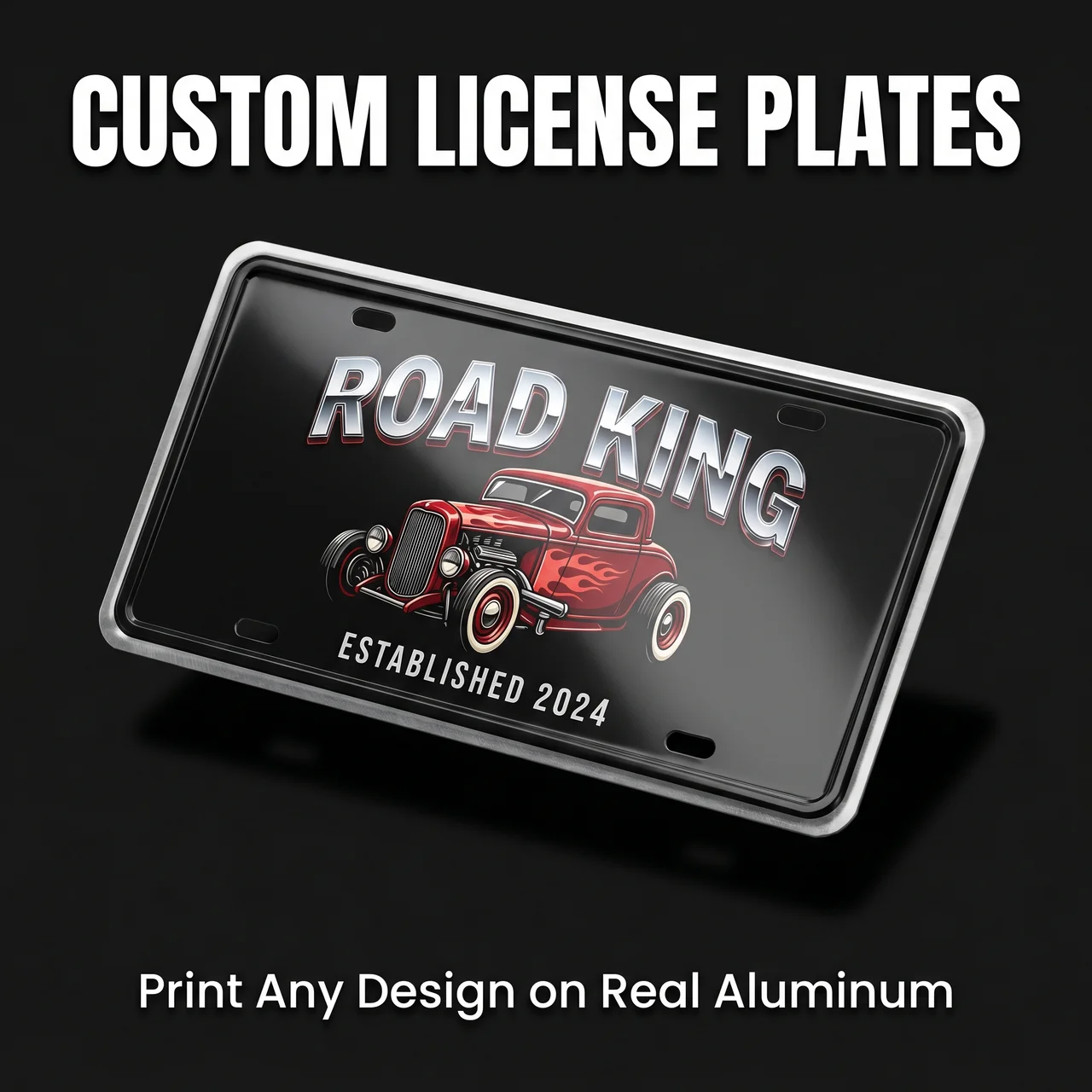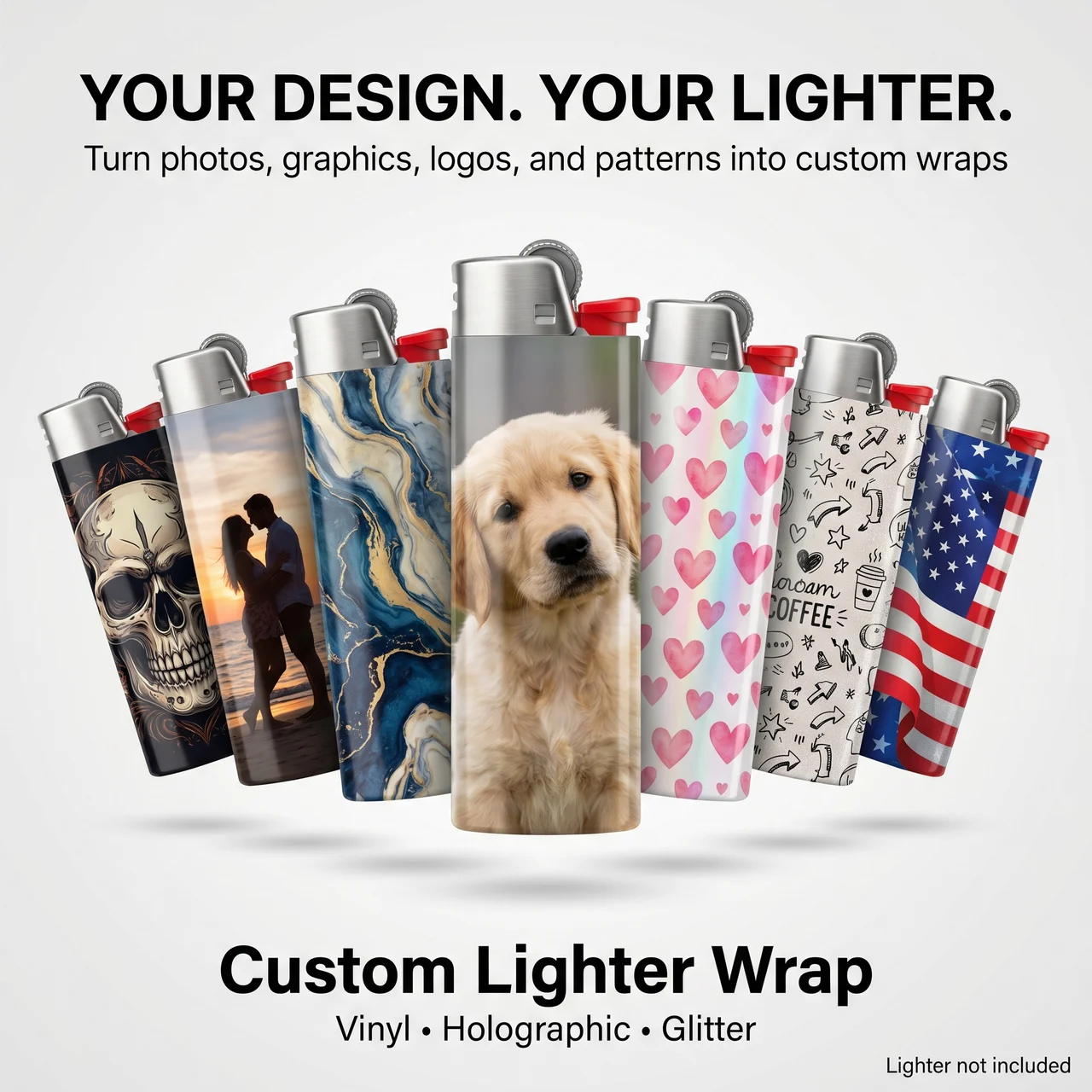

These finishes change how artwork interacts with light. They are worth comparing as physical materials, not just as colors in an online editor.
Quick answer: identify the desired visual effect, compare representative samples, and confirm the ink behavior and use limits of the exact product.
On this page
- Separate light effects from color
- Compare the same design under two lighting setups
- Check white-ink and artwork limits
- Match the finish to the desired look
- FAQs
Separate light effects from color
Reflective, holographic, prismatic, and chrome descriptions suggest different visual approaches.
A reflective product may emphasize returned light. Holographic and prismatic looks can emphasize changing color or patterns. A chrome or mirror look emphasizes a metallic reflective appearance.
The actual effect depends on the material and lighting. These descriptions do not establish certified safety performance.
Decide on the appearance first. A logo meant to remain recognizable in ordinary room lighting has a different visual brief from a decorative graphic meant to emphasize changing light effects, even if both use the same brand colors.
Compare the same design under two lighting setups
Review reflective stickers with representative product evidence.
Compare one design under ordinary ambient light and another relevant setup. Keep the camera angle and artwork consistent where possible.
Record which details remain visible and whether the effect supports the main message. A striking background is less useful if it hides the logo.
Do not treat a bright photo as a measurement of reflectivity or as evidence of road-safety certification.
Check white-ink and artwork limits
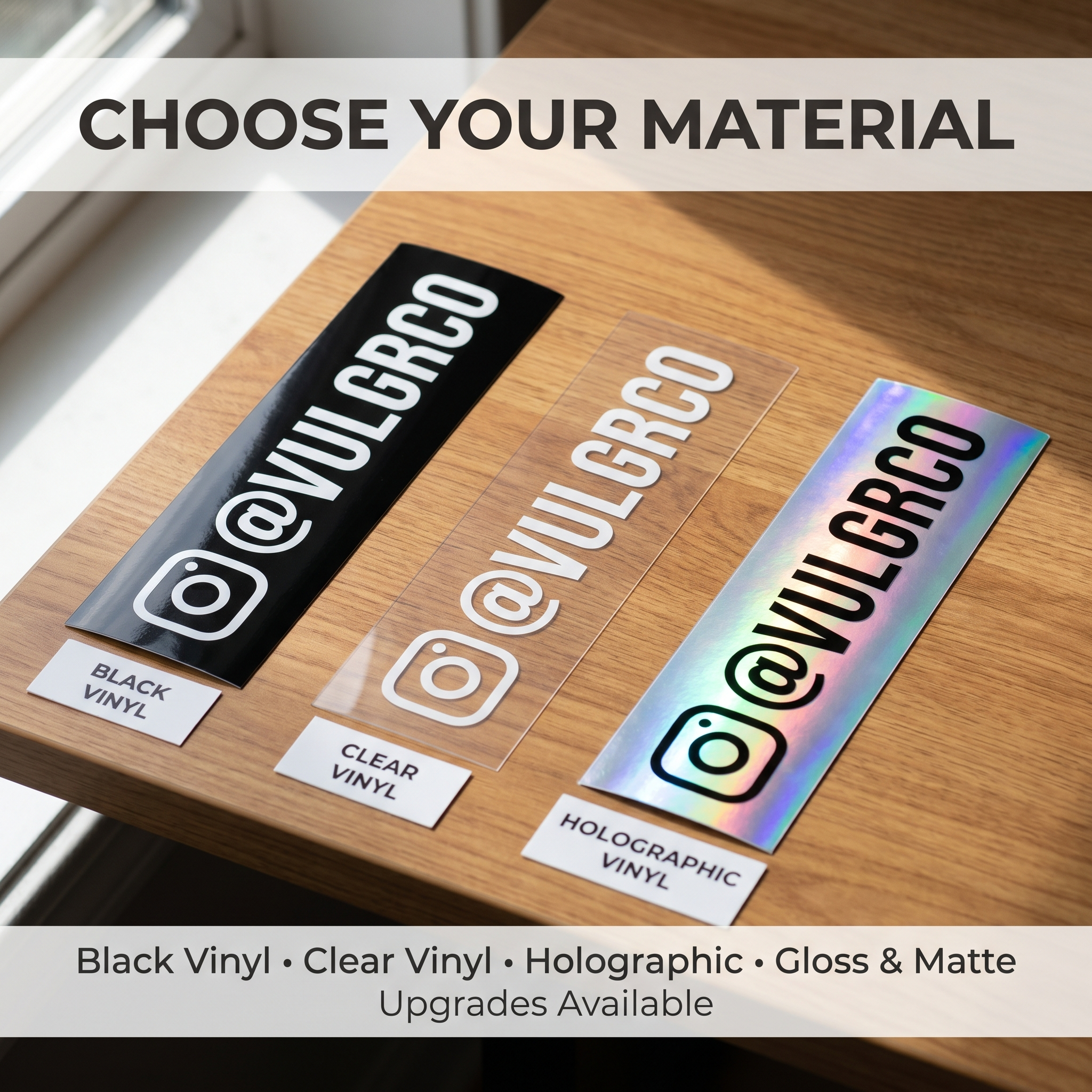
Vulgrco's holographic stickers currently state that white ink is not printed and white artwork areas appear holographic.
That matters when a design depends on opaque white lettering or white facial details. Review the proof with that behavior in mind.
Do not apply this rule automatically to other finishes. Ask for product-specific guidance on ink coverage, transparency, and how the underlying material remains visible.
Match the finish to the desired look
Compare prismatic stickers and chrome or mirror stickers using real examples.
A design intended for a shifting patterned effect may need a different composition from one intended for a clean metallic look.
Keep important text clear and avoid making the entire decision from a thumbnail. Ask for a sample when the physical effect drives the order.
Confirm adhesive, supported surfaces, exposure, and care separately. A visual finish name does not answer those performance questions.
FAQs
Are reflective stickers certified safety markings?
No certification is established by this guide or the category name. Obtain product-specific evidence for any required safety application. A decorative reflective effect should not be presented as equivalent to an approved road or equipment marking.
What happens to white artwork on Vulgrco holographic stickers?
The current listing says white ink is not printed and white areas appear holographic. Check the artwork and proof accordingly, especially for white lettering or image details. Confirm the current specification before ordering a design that depends on opaque white.
Is chrome the same as holographic?
Do not assume the same visual result. Compare the actual products and samples: a metallic mirror-like appearance and a changing holographic effect can interact differently with artwork and lighting. Check the exact material and ink treatment.
Which finish should I choose for a logo?
Choose the effect that supports recognition and keeps the logo readable at its intended size. Compare the same artwork on relevant samples under realistic lighting. Review ink behavior and compatibility rather than selecting solely from the finish name.