
A candle label layout needs room for both the product's identity and the information that helps someone use it appropriately. A beautiful front panel should not force important care or safety copy into unreadable space.
For a small candle business, plan the whole container before designing the decorative label.
Quick answer: separate branding from detailed information, measure each usable area, and review the applicable safety requirements before printing. A layout template does not establish compliance.
On this page
- Map the available label areas
- Organize brand and product information
- Keep safety information readable
- Review the filled jar and approved requirements
- FAQs
Map the available label areas
Identify the front panel, any rear panel, and the bottom area. Measure the usable surfaces rather than assuming a jar capacity tells you the label dimensions.
The base may include a recess, curve, or manufacturing marks. A label must fit the actual area where it will be placed.
Make paper mockups of the proposed shapes and position them together. Check whether a front label wraps beyond the visible face and whether the bottom label is practical to apply.
Use custom labels for the packaging project after these dimensions are established. Keep the files for different panels clearly named.
Organize brand and product information
Let the main product name lead. Supporting information should be grouped so a customer can find it without reading the entire container.
An illustrative layout might put brand, scent name, and product identity on the front, with additional information in a separate approved area. This is a design example, not a statement that every candle has the same required content.
Keep related details together. A long story about the fragrance should not crowd a warning area or force the product information into decorative lettering.
Consider how the container will look across a product line. Reusing a grid can keep different scents consistent while allowing each label's actual content to fit.
Keep safety information readable
Check the current requirements and applicable standards for the actual candle. The U.S. Consumer Product Safety Commission's candle guidance distinguishes relevant requirements and identifies ASTM F2058 as a voluntary candle fire-safety labeling standard.
Do not treat a copied warning from another seller as an approved specification for your product. Get the wording, placement, and format reviewed through the appropriate process.
Keep safety information easy to inspect. A decorative border, tiny script, or busy background can undermine an otherwise well-organized panel.
A QR link may provide additional care information, but do not use it to assume required on-package information can be removed.
Review the filled jar and approved requirements
Inspect the complete candle, not only the artwork on a screen. Compare the labels with the container's shape, lid, and intended presentation.
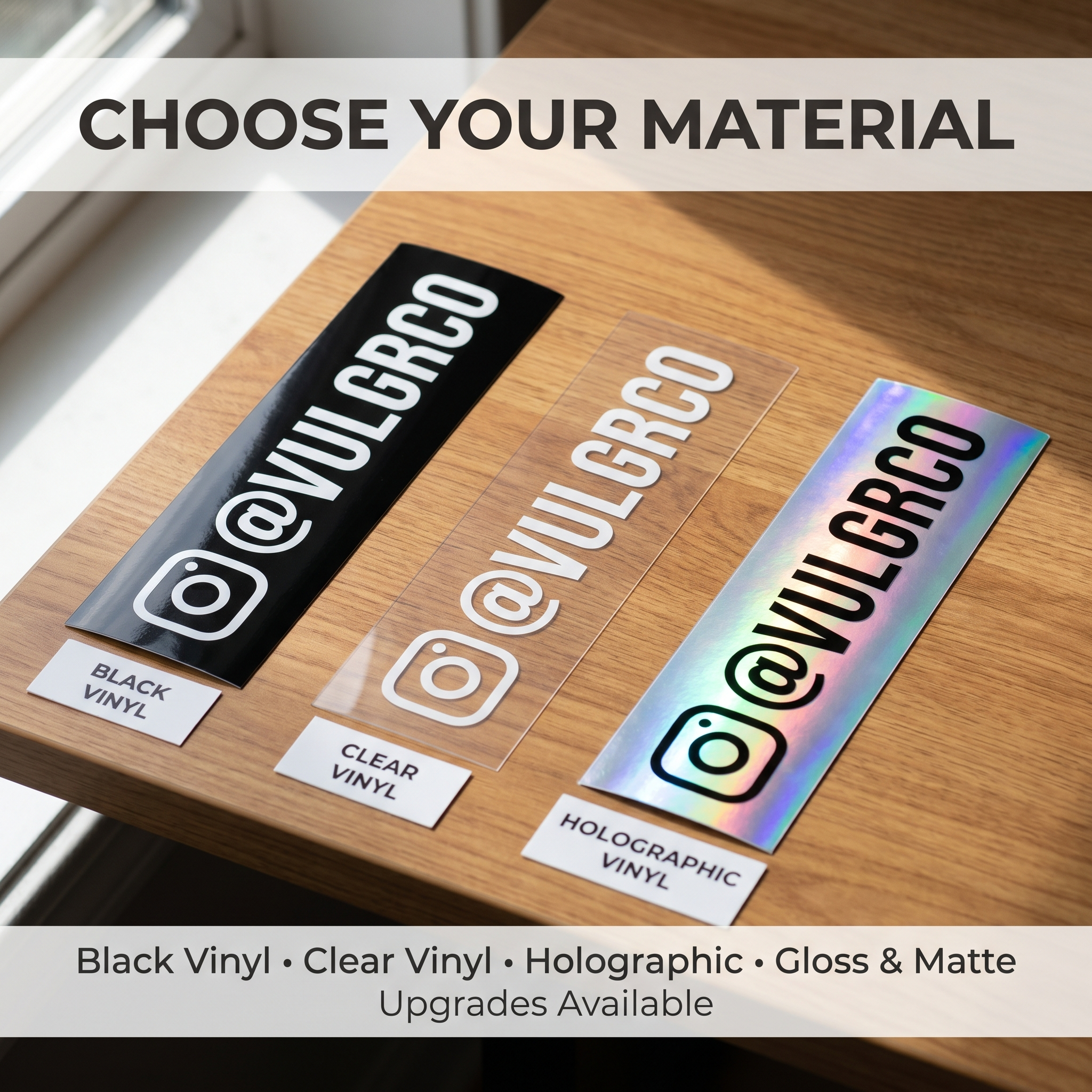
If considering matte labels, review their actual appearance and surface compatibility. A matte look does not establish heat suitability or adhesive performance near a candle.
Before printing, check:
- Correct product and scent names.
- Approved information and warning copy.
- Actual-size readability.
- Panel dimensions and placement.
- Material guidance for the container and use.
- Consistency between all label files.
Keep the approval record with the artwork. The most useful label is one whose information can be found and read when it matters.
FAQs
Should care information go on the bottom?
That depends on the approved layout and applicable requirements. A bottom panel can provide space, but it must fit the actual base and remain practical to inspect. Do not use bottom placement simply to hide crowded copy from the front design.
Can a decorative label replace a warning?
Do not assume so. Branding and safety information have different jobs, and the actual candle's labeling obligations need review. The CPSC guidance provides a starting point for relevant requirements and standards; a decorative printing order does not certify the finished product.
How do I size a label on a tapered jar?
Measure the intended application band and check whether the circumference changes across its height. Test a paper version on the real jar. A smaller panel or another suitable shape may work better than a rectangle forced around the taper.
Can I use a metallic label near heat?
Confirm the specific material, adhesive, placement, and conditions before doing so. A metallic appearance does not establish thermal suitability. Keep the label choice within the candle's approved packaging and use instructions rather than inferring performance from the finish name.