
Skincare label design becomes difficult when a small container needs to carry a large amount of information. Shrinking everything is usually the wrong first move. Organize the content, then decide how the available panels should work.
For US cosmetic packaging, information requirements and product classification need to be resolved before the layout is approved.
Quick answer: establish the reviewed copy, create a clear hierarchy, and inspect the design at its actual size on the filled container.
On this page
- List required and optional content
- Choose a readable hierarchy
- Work with a small print area
- Review the label at actual size
- FAQs
List required and optional content
Separate the information that must be present from the story you would like to tell. Do not treat every marketing sentence as equally important.
The FDA's Cosmetics Labeling Guide addresses matters including identity, quantity, business information, ingredients, warnings, and label presentation. The actual product's requirements and classification determine the relevant review.
Prepare the reviewed text before adding decorative elements. Moving a paragraph to make room for a new slogan can disrupt an otherwise sensible layout.
Keep the label file tied to the correct product version. A change in formula, size, or product claims should trigger a copy review rather than an automatic reorder.
Choose a readable hierarchy
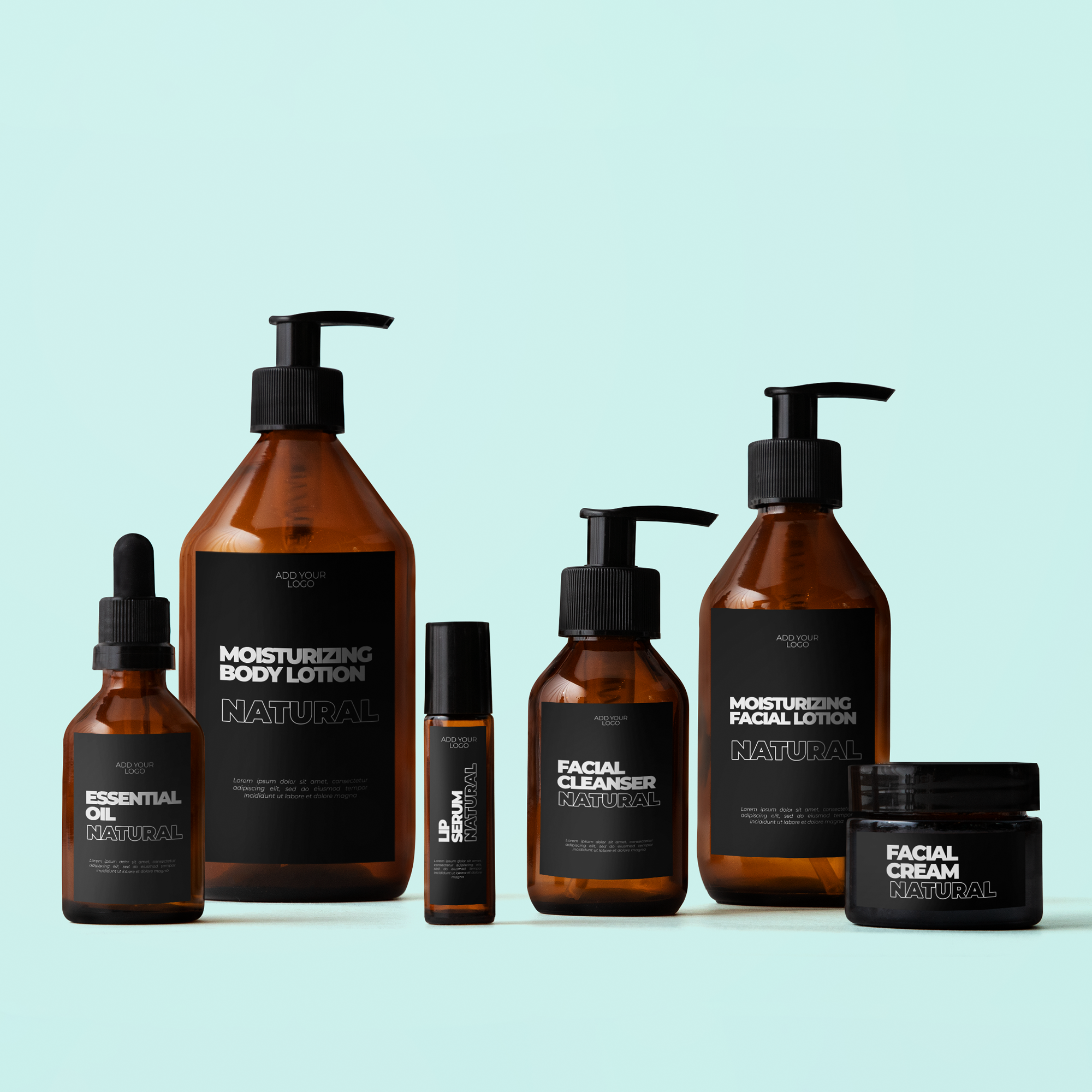
Make it easy to find the product name first. Group supporting information by function rather than scattering it around the label.
A simple design plan can be:
| Area | Design task |
|---|---|
| Main panel | Identify the product clearly |
| Supporting panel | Present the reviewed detailed information |
| Optional content | Add brand story only if space allows |
| Link or code | Offer genuinely useful additional information |
This table is a layout aid, not a regulatory panel specification.
Use a typeface that remains legible at the final dimensions. Decorative lettering can suit a product name while being a poor choice for dense information.
Work with a small print area
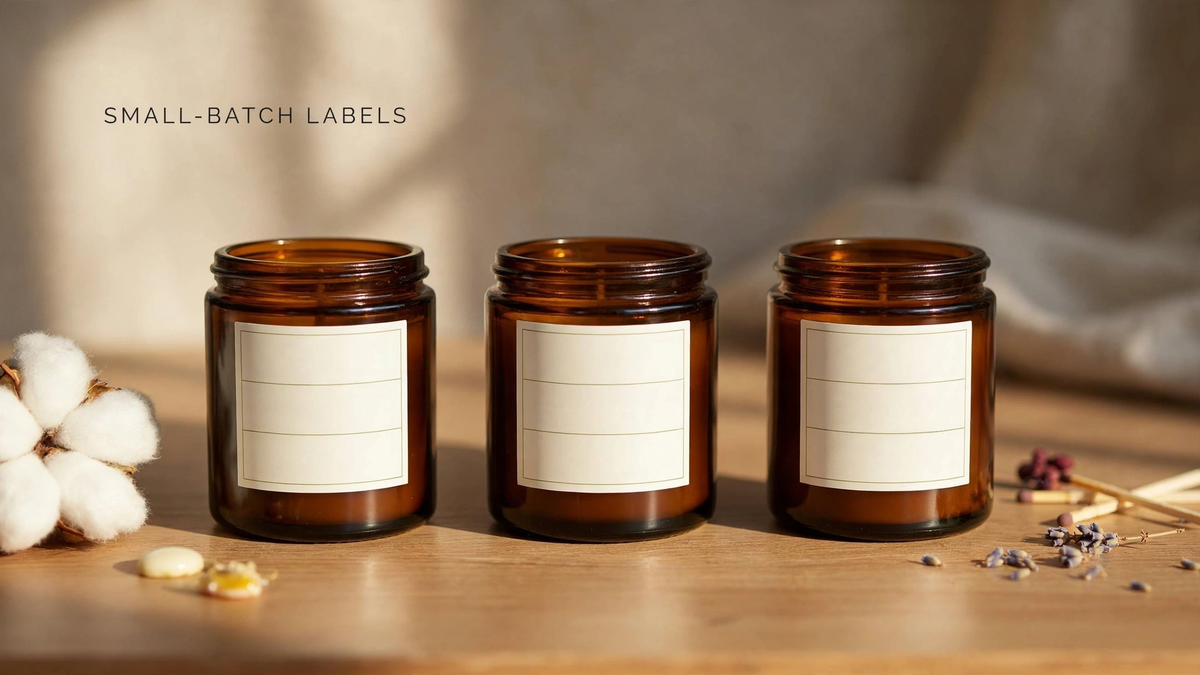
Measure the actual container. A miniature jar has a different problem from a tall pump bottle, even if both belong to the same line.
Print the layout at full size and place it around the container. Check whether words disappear around a curve or cross a seam.
If you want a transparent appearance, compare clear labels on the filled package and confirm the ink capabilities. The contents can alter the background behind the text.
If the layout remains crowded, revisit the packaging and approved panel arrangement. Changing the print material does not automatically create more usable information space.
Review the label at actual size
Prepare custom label files only after the measured layout and reviewed text agree.
Check spelling, symbols, line breaks, hierarchy, and the exact product version. Compare the proof with a physical-size mockup; viewing at an arbitrary zoom can hide the real reading problem.
Ask someone unfamiliar with the design to find the product name and the detailed information. Notice where they hesitate.
Keep optional copy subordinate. A skincare label can look polished while still allowing a customer to find the information they need.
FAQs
Can ingredient text use very small type?
Do not choose type size solely to make the text fit. Readability and applicable labeling requirements need review for the actual package. Use the current FDA guidance and approved copy process, then inspect the printed-size layout rather than relying on an enlarged screen view.
Should a QR code replace required text?
Do not assume a link can replace information that belongs on the package. Use a QR destination for useful additional content after the labeling requirements are resolved. Keep required information available in the approved location and format for the product.
How do I label a curved container?
Measure the usable panel, account for changes in shape, and test a paper mockup. Keep essential text in a position that can be read without searching around the container. Check adhesive and material suitability separately from the artwork dimensions.
What needs a regulatory review?
The actual product classification, claims, information content, and label presentation need appropriate review. A print supplier's proof can check artwork but should not be assumed to certify cosmetic labeling. Review changed formulas, sizes, and claims before using an old label again.