
A pop-up print kit should help people find the shop, understand the products, and remember the business. Buying every available print format adds cost without necessarily improving that journey.
Quick answer: map the buyer's path and choose the few printed items that solve a clear problem at each stage.
On this page
- Map the buyer journey
- Choose the few prints each stage needs
- Reuse artwork without stretching it
- Plan quantities and approved lead times
- FAQs
Map the buyer journey
Walk through the event as a first-time visitor.
Follow the visitor from arrival to purchase: they need to find the booth, understand what you sell, distinguish the variants, and leave with the correct item plus a useful way to remember the business if they want to return.
Write down the actual gaps before ordering. If visitors find the booth but cannot distinguish two product variants, another large logo will not resolve that gap; clear package identifiers might. Let the observed communication problem determine the next printed item.
Check the venue's current signage and placement rules early.
Choose the few prints each stage needs
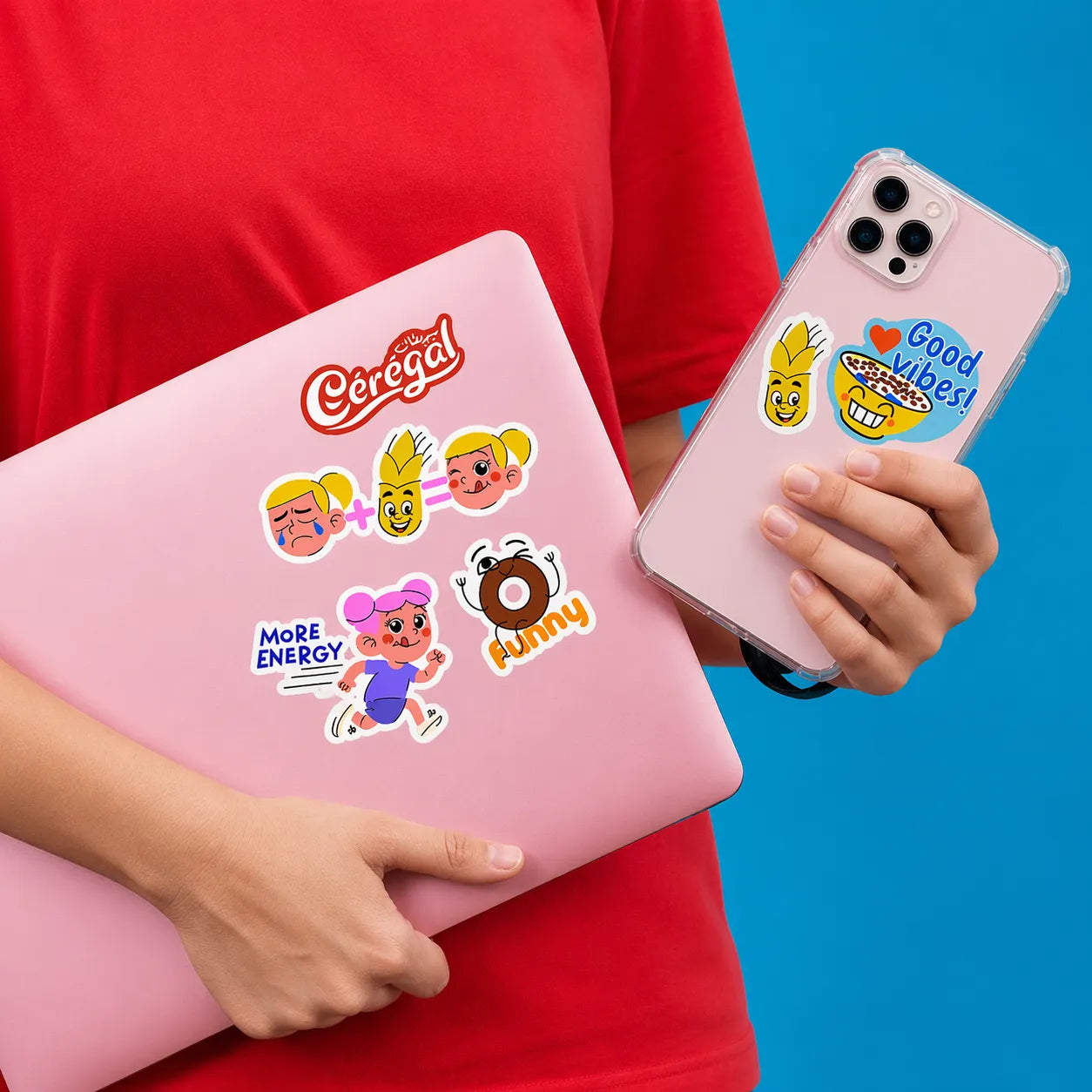
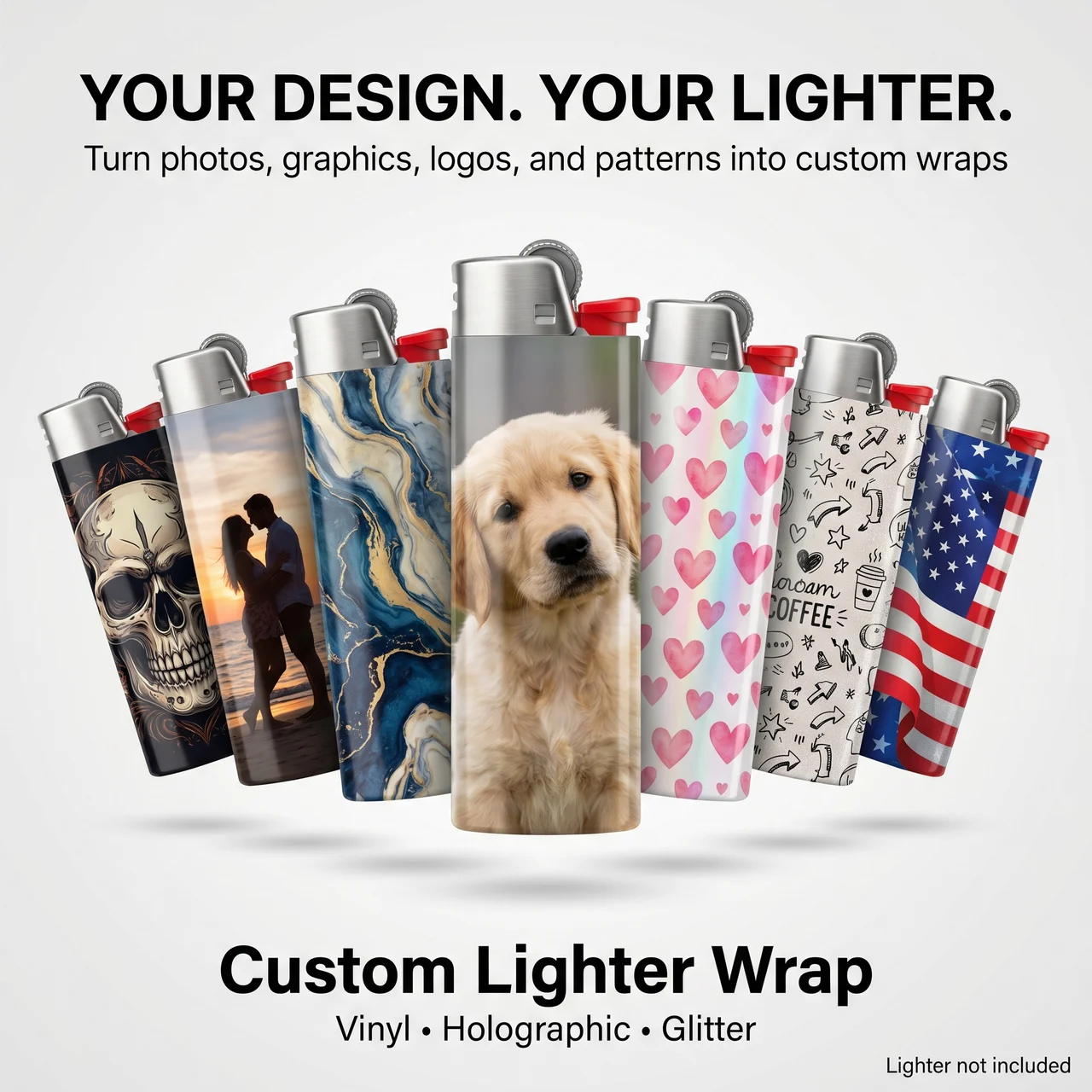
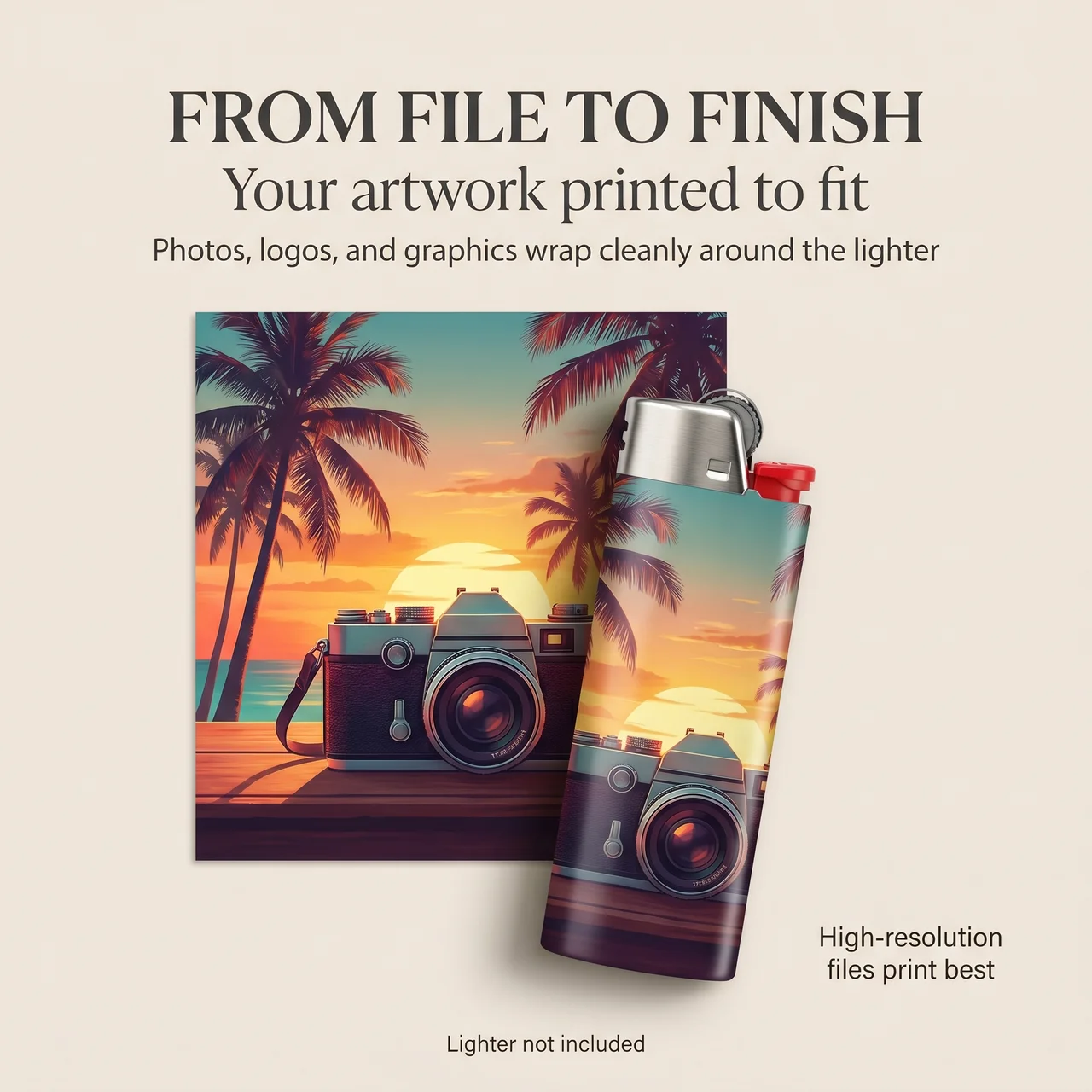
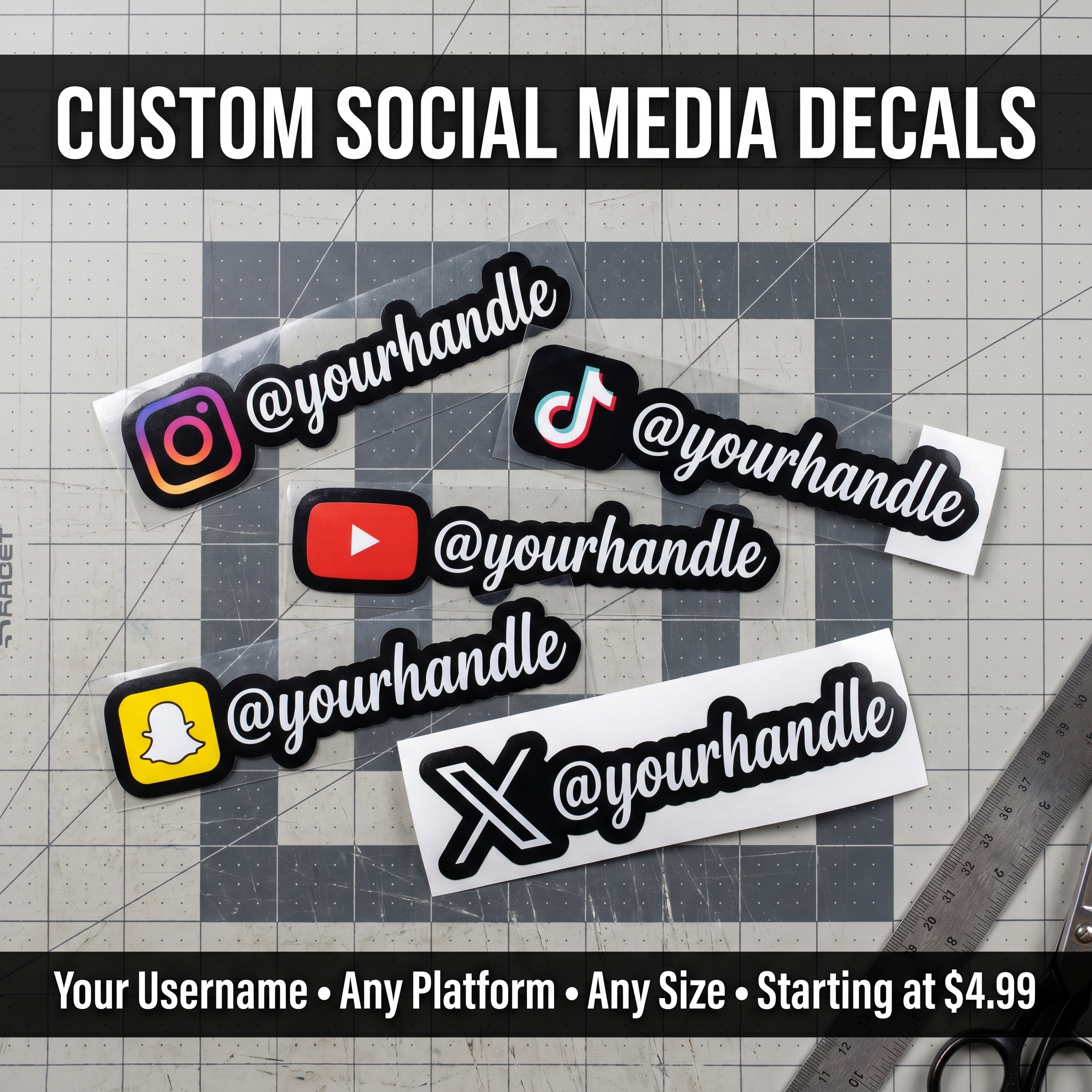
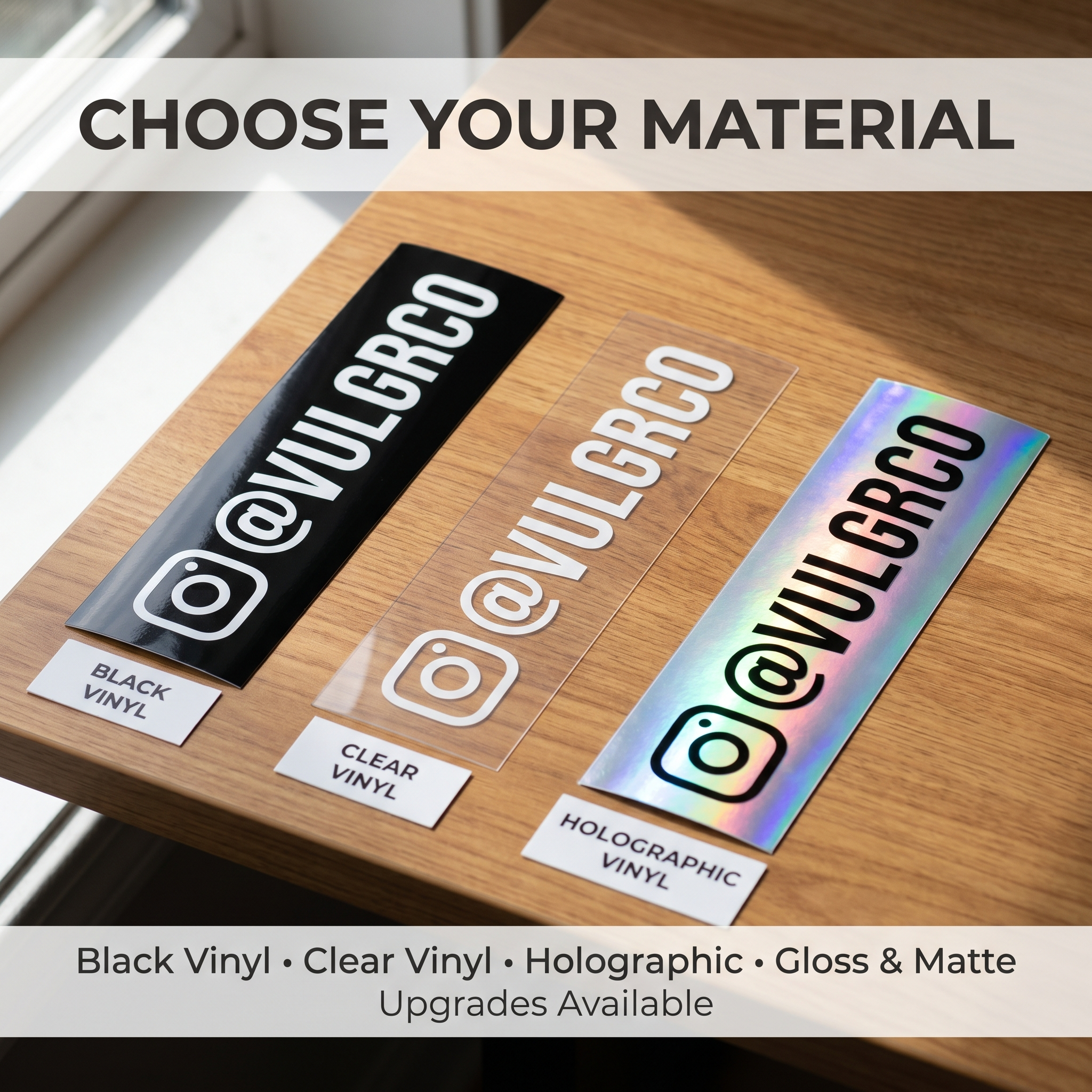
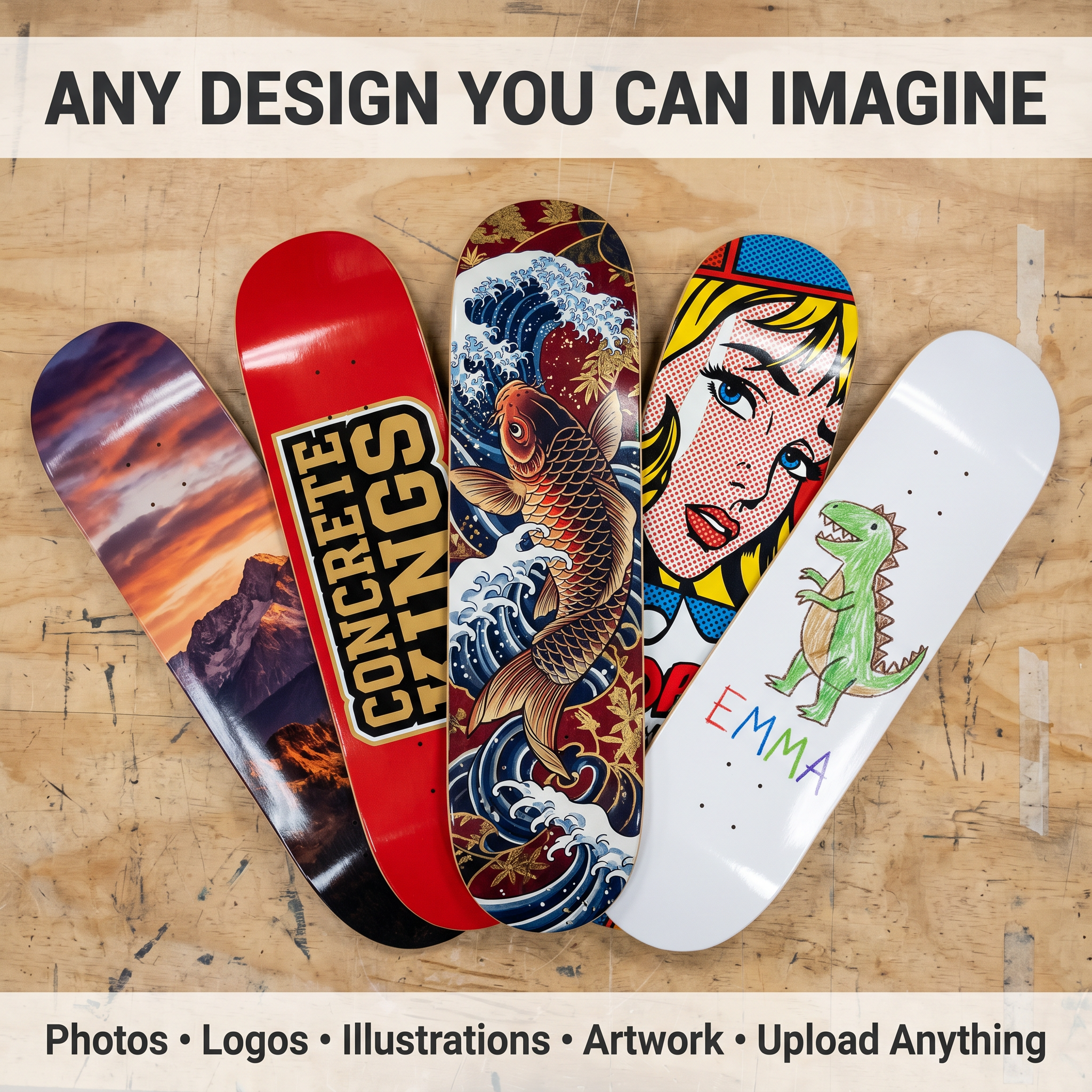
Use custom stickers for a suitable take-home graphic or approved promotional use.
A simple kit may include a business identity display, clear product identifiers, and one useful take-away item.
Do not treat every available surface as an advertising opportunity. Overlapping signs can make the booth harder to understand.
Prioritize the items that answer a visitor's immediate questions. Decorative additions come after the basics work.
Reuse artwork without stretching it
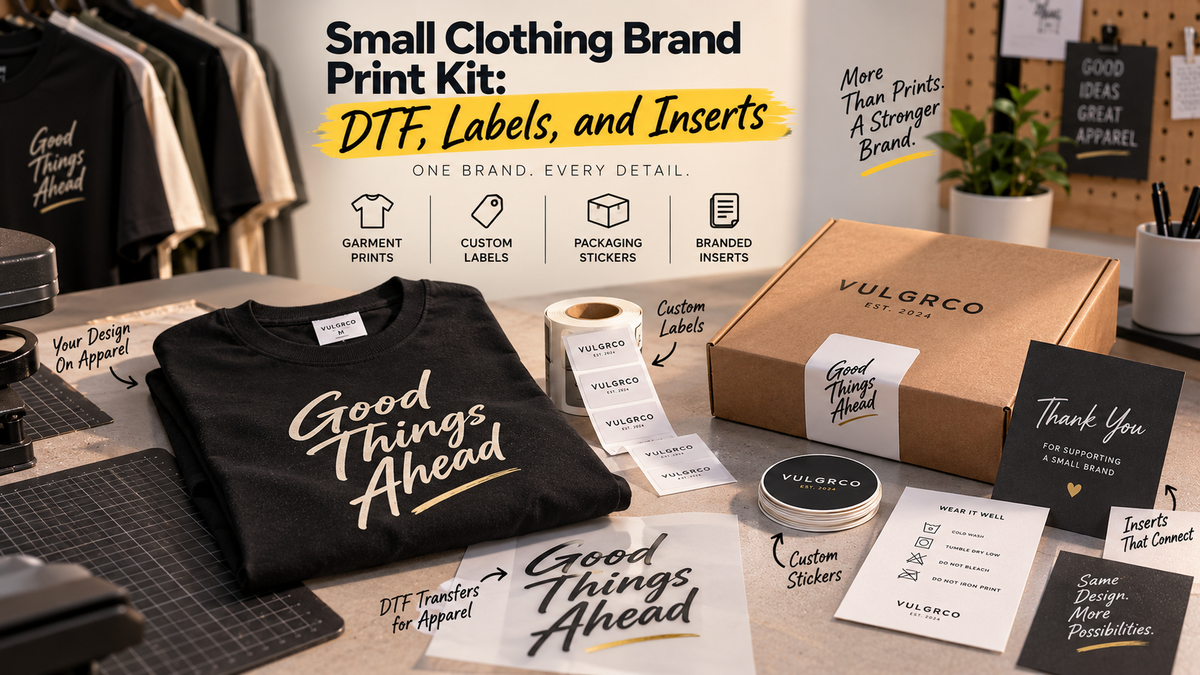
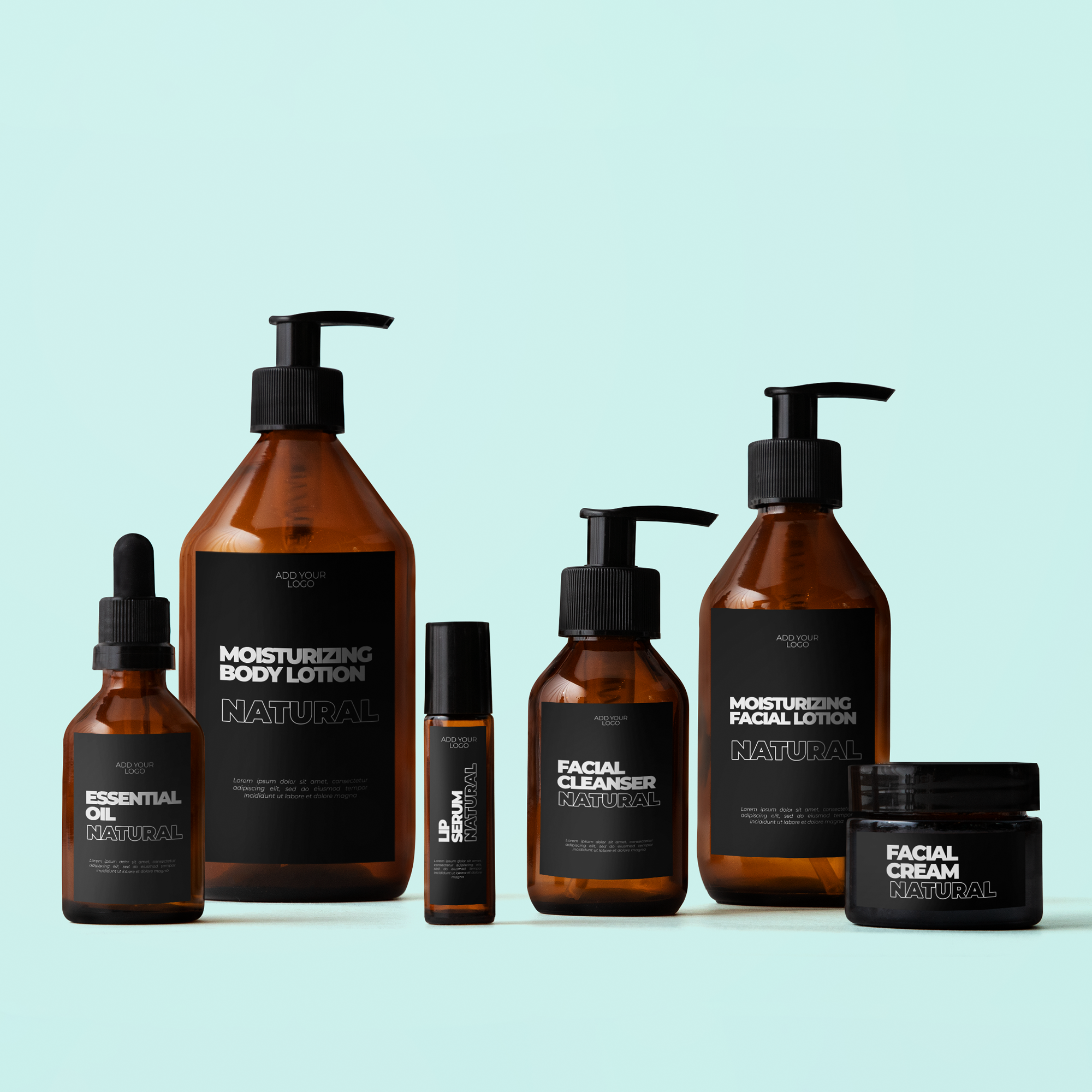
Custom labels can help distinguish products or packaging where compatible.
Share the logo, palette, and type style across the kit, then adapt each layout.
A sign needs a message readable from its viewing distance. A product label needs accurate product information. A handout sticker may need only the recognizable artwork.
Keep editable source files and clear version names. Check variant names and dates independently from the shared branding.
Plan quantities and approved lead times
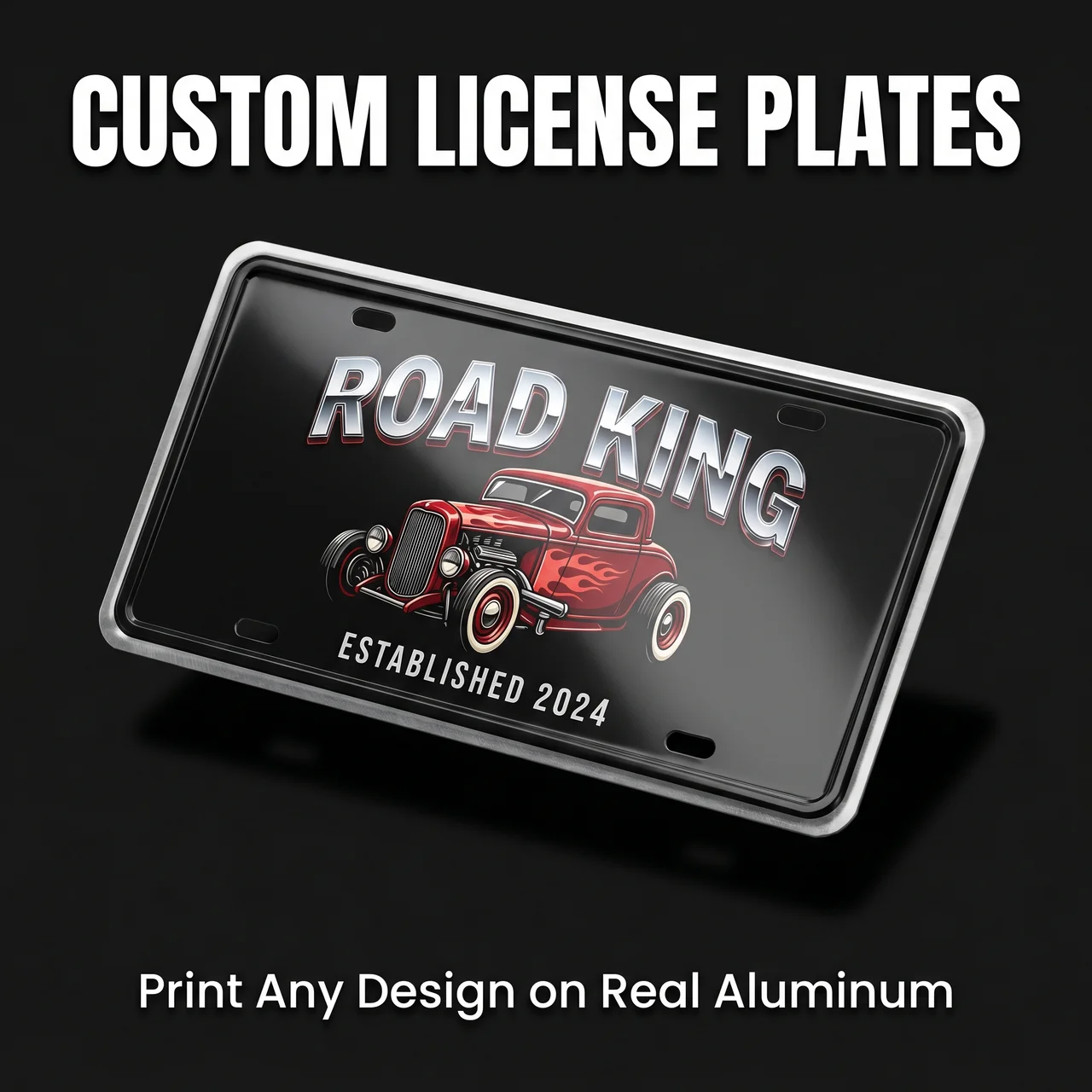
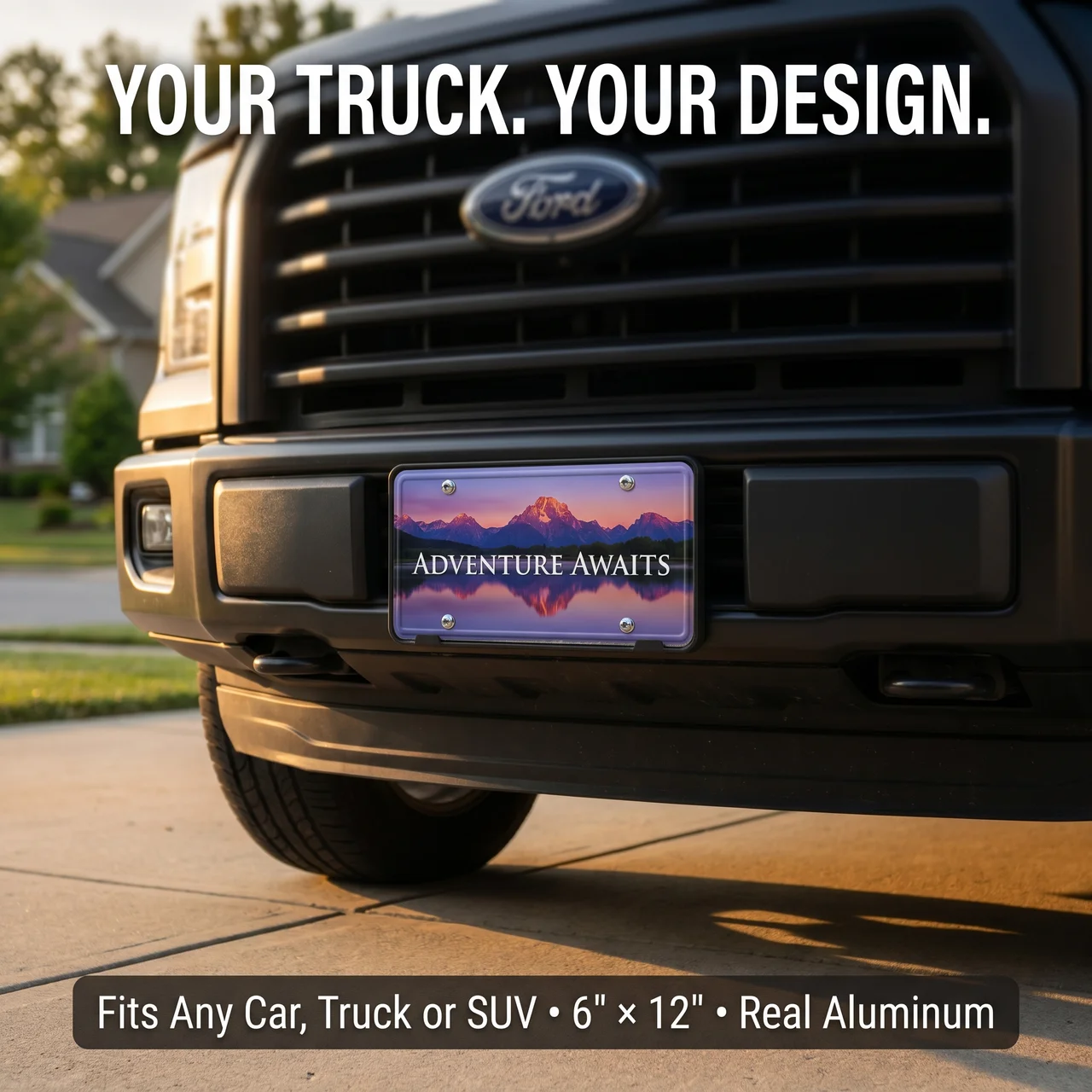
Review custom yard signs and custom vinyl banners only where the event has suitable permitted placement.
Estimate quantities from inventory, expected distribution, and practical replacements. These are planning inputs, not a guaranteed attendance forecast.
Confirm order-specific proof, production, and shipping information. Allow time for corrections and venue setup.
Pack the accepted artwork list, installation items, and any required permissions together. After the event, record what was used and what visitors struggled to find. That evidence makes the next kit more efficient.
FAQs
What does a pop-up shop need printed?
Start with clear identity, readable product information, and a useful way for customers to remember or revisit the business. The exact kit depends on the venue and buyer journey. Add formats only when they solve an identified communication problem.
Should I order both a banner and a yard sign?
Only if they serve different useful locations or tasks and the venue allows their installation. A banner may identify the booth while a sign directs visitors. Confirm mounting, permissions, and message before ordering both.
Can the same logo file be used throughout the kit?
Reuse the source artwork, but prepare product-specific layouts and files. Check resolution, proportions, margins, information, and viewing distance separately. Consistent branding does not require forcing identical artwork onto different shapes and sizes.
How many promotional stickers should I order?
Estimate from the intended distribution plan, budget, and likely event demand. Distinguish stickers sold as products from those given away. Avoid inventing an attendance forecast; use previous event records where available and track actual use for future planning.