
These terms often overlap, but they emphasize different uses. Choosing from the job the print must do is more useful than debating the name alone.
Quick answer: describe the surface, purpose, coverage, and installation needs, then compare the actual product specifications.
On this page
- Define the four jobs
- Compare surface and coverage needs
- Check application and inclusions
- Choose the right product path
- FAQs
Define the four jobs
A sticker commonly carries a graphic for decoration or promotion. A label commonly identifies a product or communicates information.
A decal often forms part of a surface display or installation. A wrap typically follows or covers a defined object area.
These are useful planning distinctions, not universal manufacturing definitions. Two sellers may use the same term for different materials or constructions.
Start with a sentence such as, “I need a readable product identifier on a curved bottle,” rather than, “I need something sticky.”
Compare surface and coverage needs
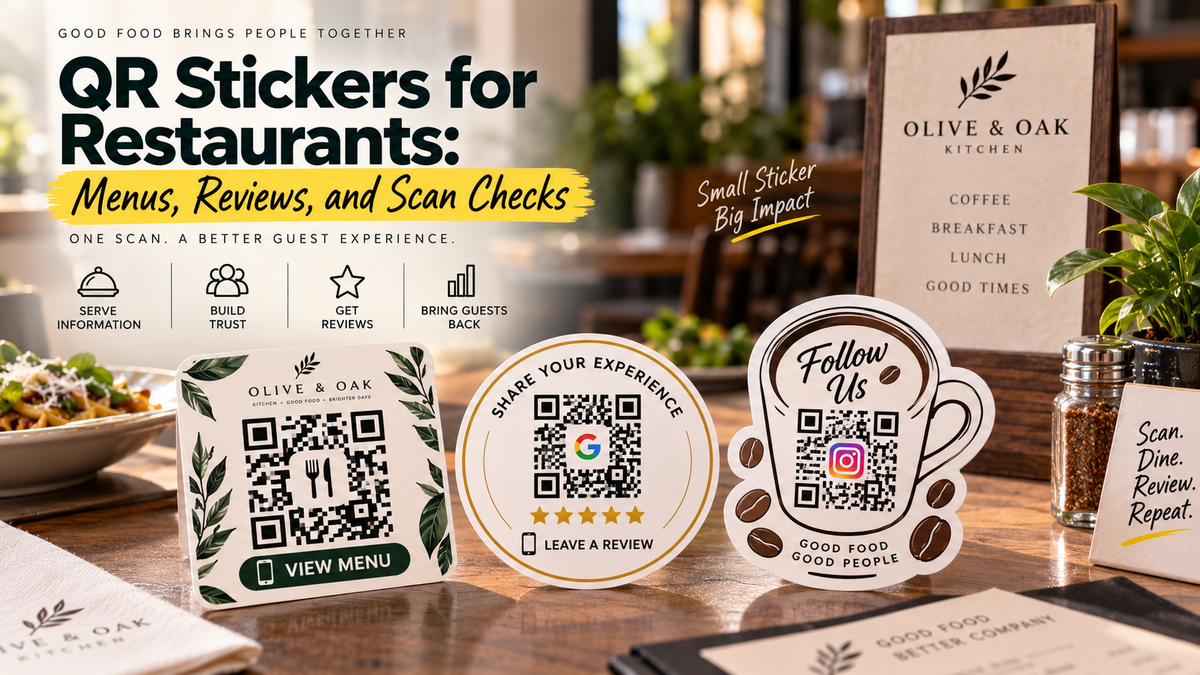
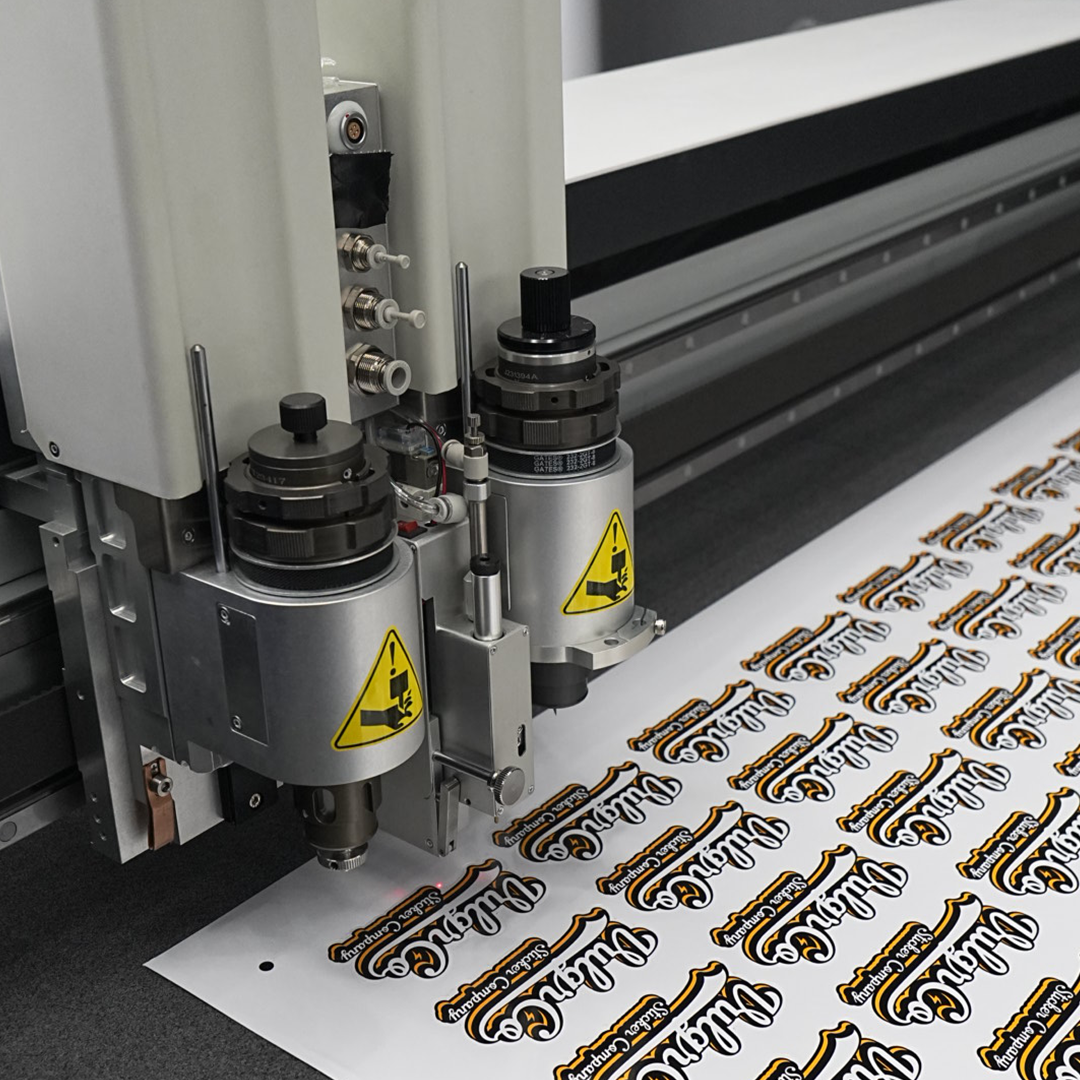
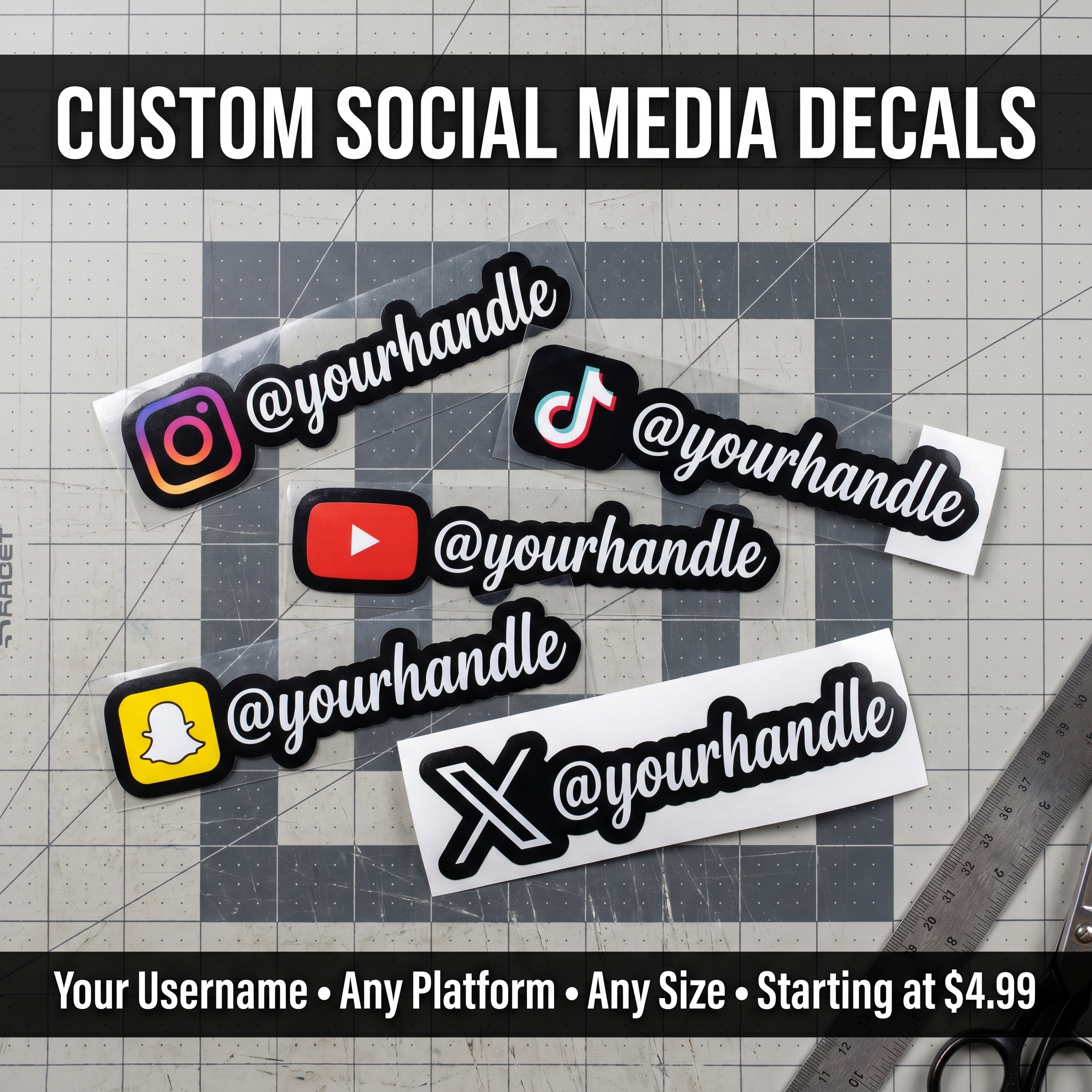
Custom stickers can be a product path for artwork intended for the supported surfaces and uses.
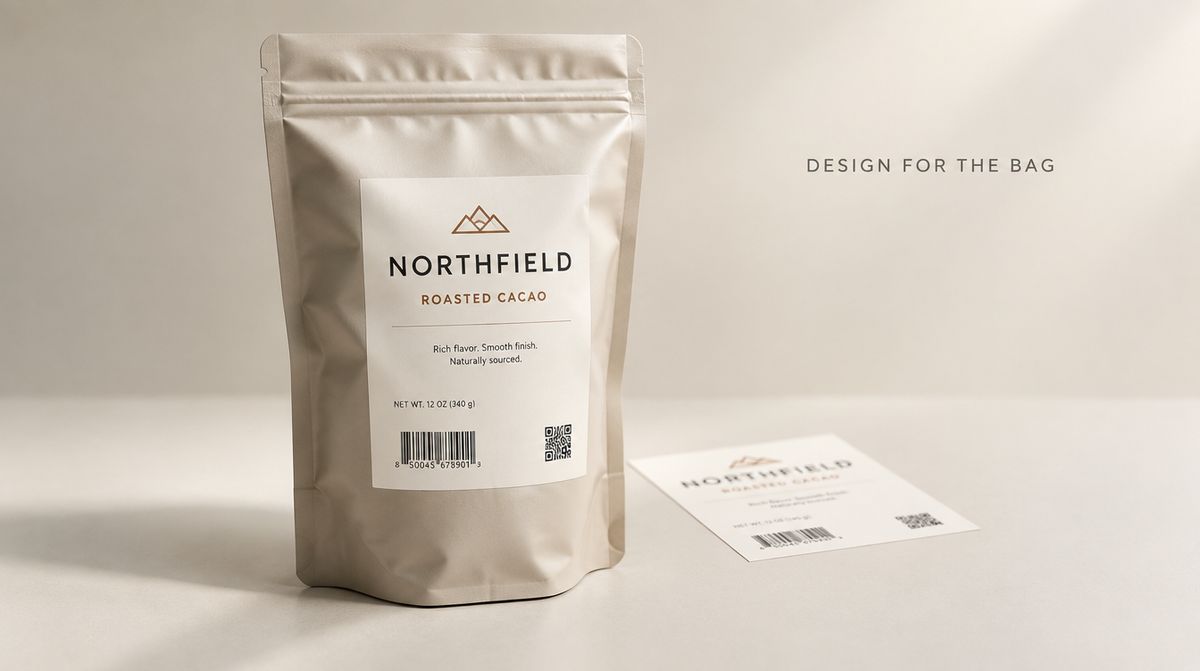
For packaging identification, review custom labels.
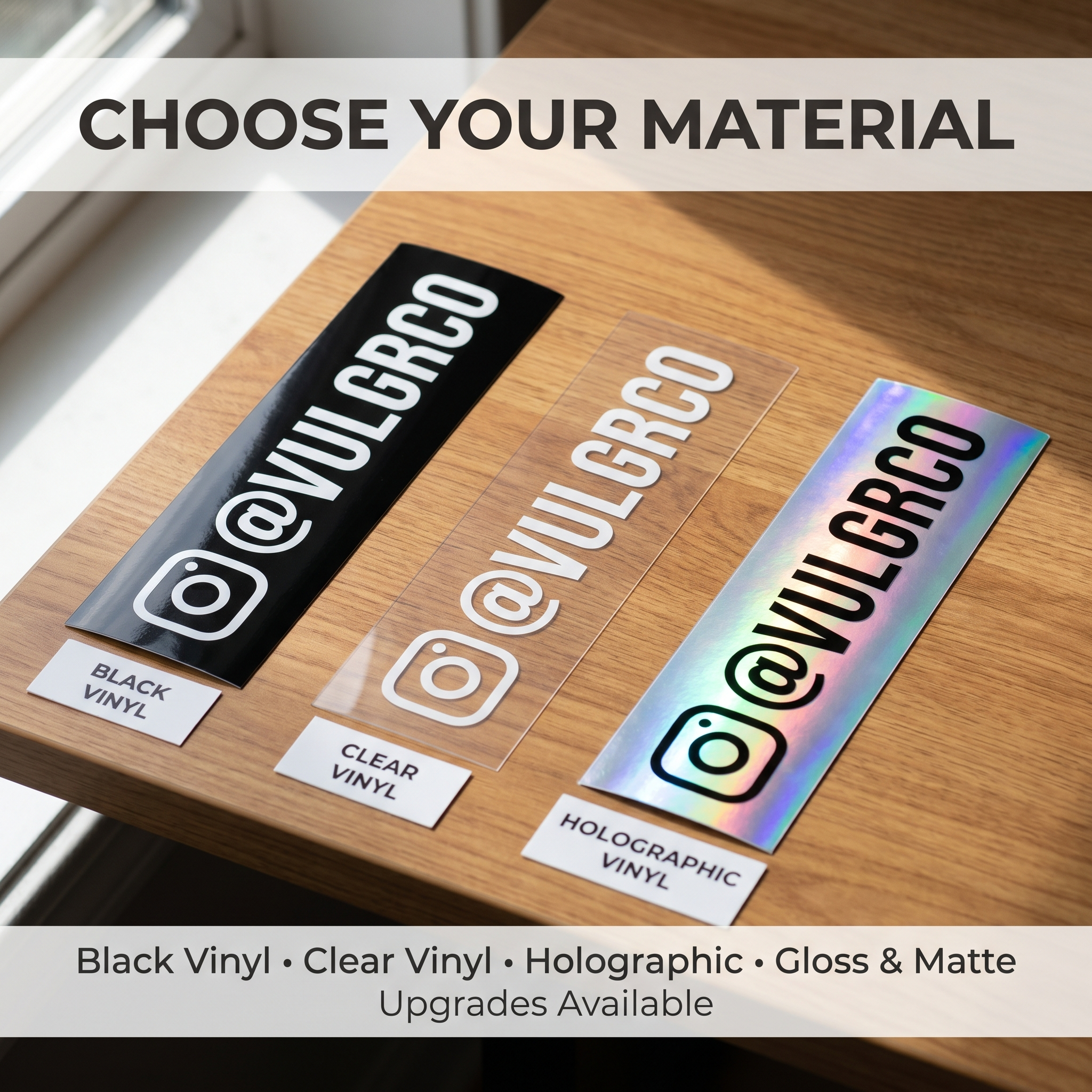
Compare the actual substrate, dimensions, material, adhesive, finish, and exposure requirements. A logo for a laptop lid and a label for a container handled with oily fingers may share the same artwork, but the second job adds exposure and identification requirements that the first does not. Specify the job before comparing materials.
Do not infer removability or durability from the category name.
Check application and inclusions
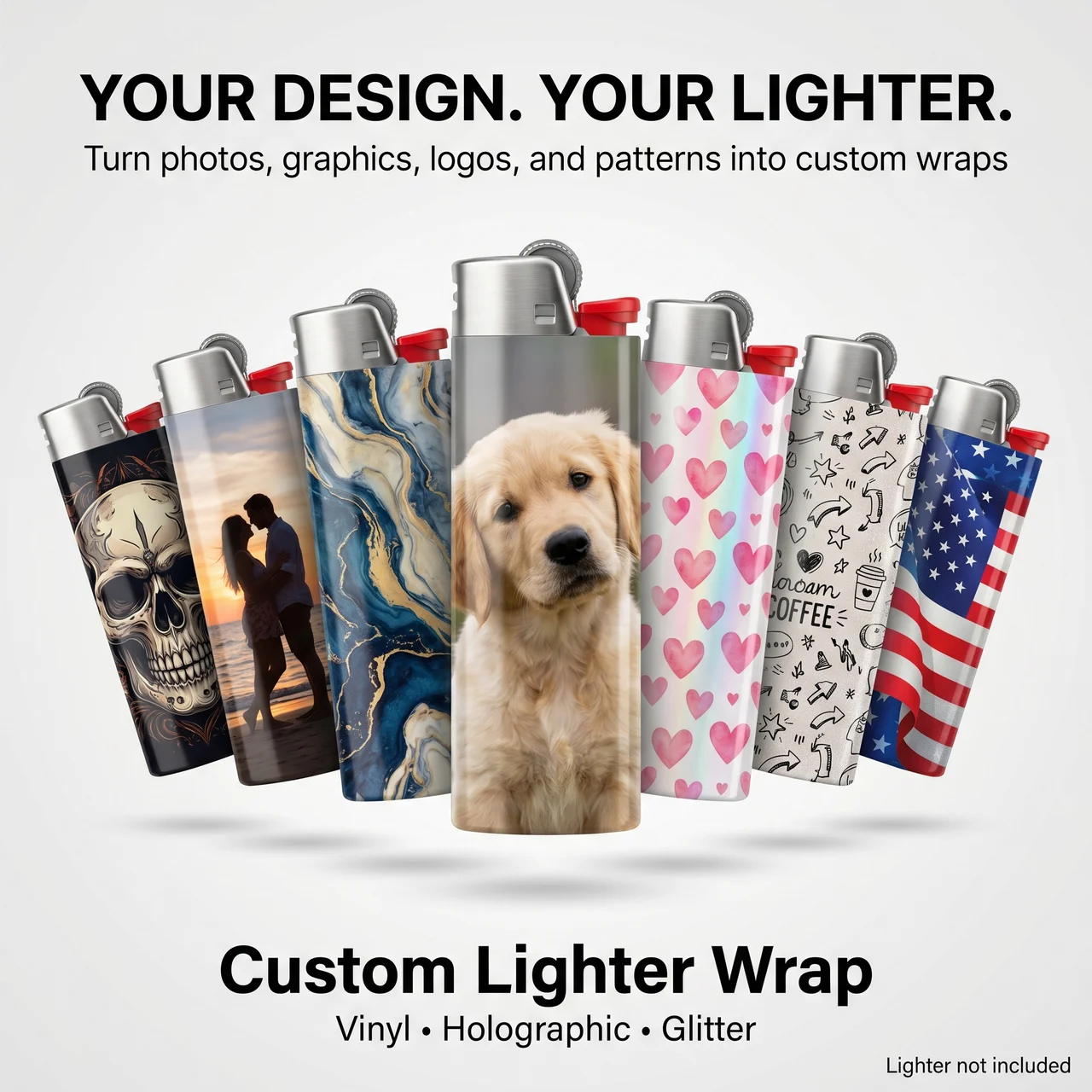
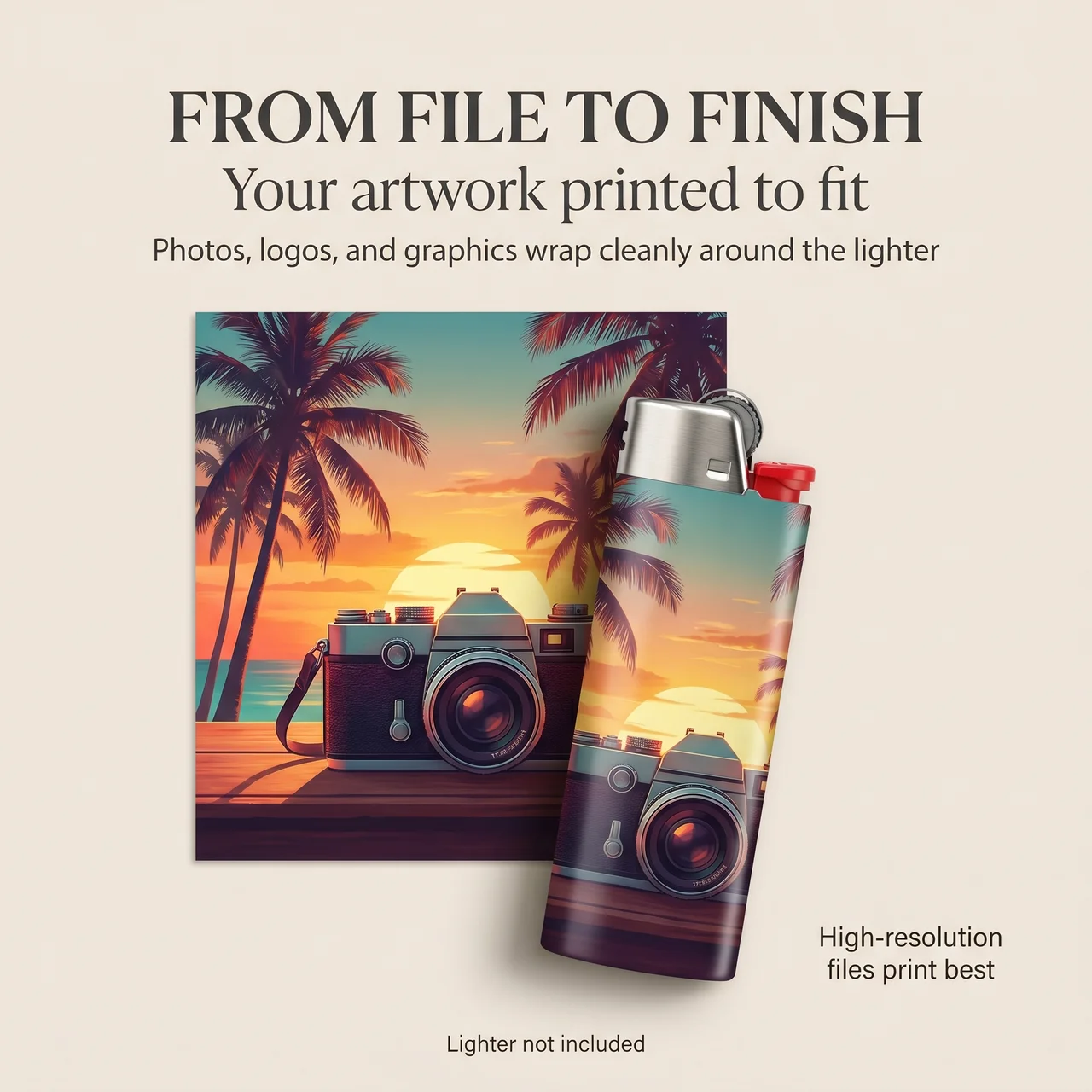
Review custom wall decals for a wall-specific project and custom lighter wraps for a compatible object layout.
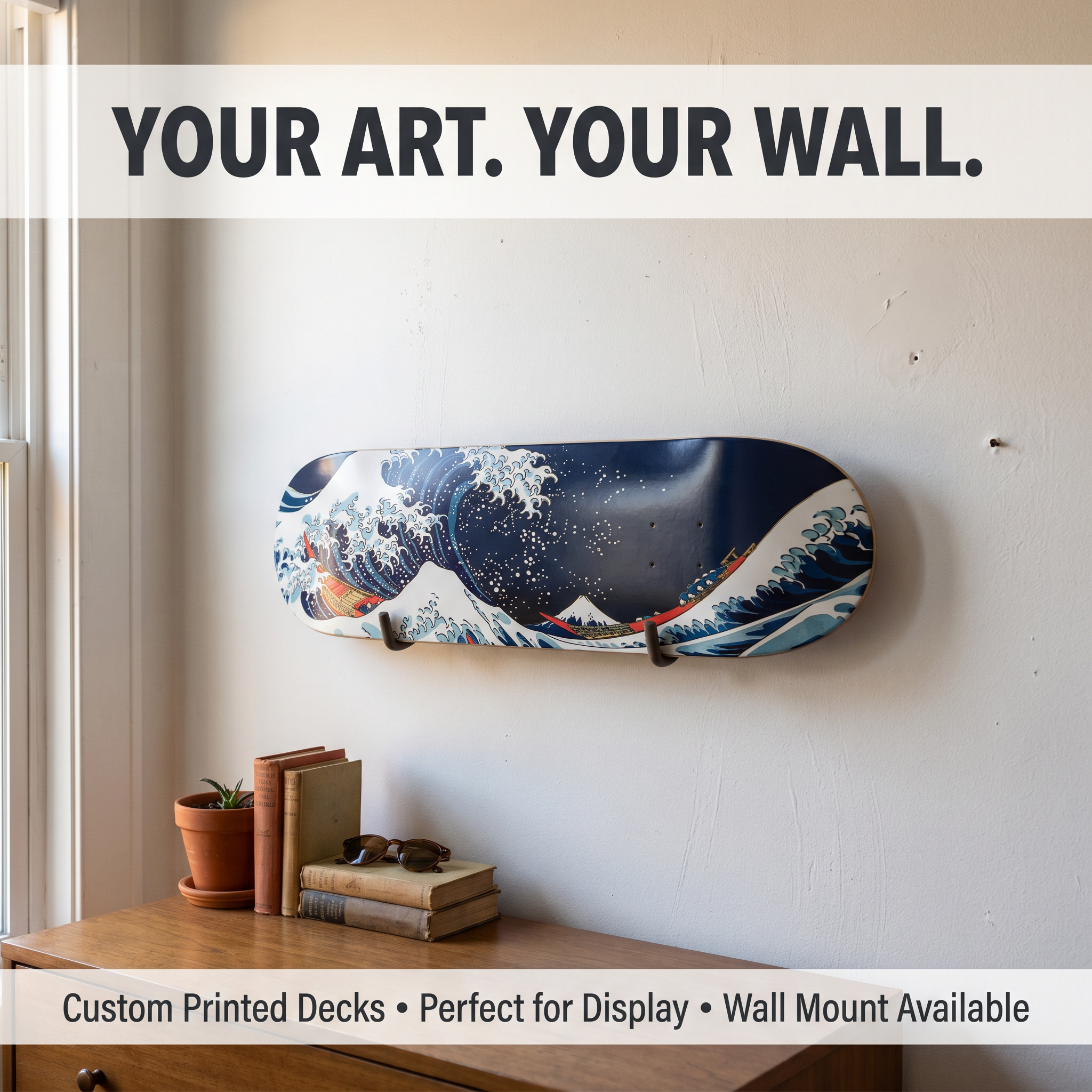
Confirm whether the order supplies only the graphic or also the underlying item. A wrap does not automatically include the object, and a printed deck is not automatically a wrap.
Check the approved application method. Installation can require alignment, surface preparation, or equipment that a simple handout sticker does not.
Choose the right product path
Use a short decision checklist:
| Question | What it establishes |
|---|---|
| What surface? | Compatibility |
| What information or artwork? | Layout purpose |
| How much area? | Size and coverage |
| What exposure? | Needed performance evidence |
| How is it applied? | Labor and equipment |
| What arrives? | Order inclusions |
When a category description is vague, ask for the exact construction and supported use.
Choose the product whose documented specification fits the job. Reuse the design source across products, but prepare separate layouts and proofs where needed.
FAQs
Is a label just a sticker?
The physical construction may overlap, but a label often has an identification or information role. The actual material, adhesive, finish, and use requirements matter more than the name. Compare those specifications for the intended container or surface.
Does the word decal mean removable?
No removability guarantee follows from the term alone. Confirm the adhesive, supported surface, exposure, and removal guidance for the exact product. Important or delicate surfaces may require an approved compatibility test.
Does a wrap include the item being wrapped?
Not automatically. Read the selected product options and order summary. A staged photo may show the finished appearance without supplying the object. Confirm inclusions before comparing prices or planning a complete gift or project.
How do I choose between overlapping categories?
Describe the actual job: surface, purpose, dimensions, exposure, application, and expected inclusions. Use that description to compare product specifications. Ask for clarification where the name or general description does not answer a compatibility question.