
Waterproof and water-resistant stickers are not interchangeable promises. The useful question is which water conditions a particular sticker has been designed or tested to handle.
For bottle labels, outdoor equipment, and frequently washed objects, describe the exposure before choosing. A sticker that tolerates a splash may still face very different conditions in a dishwasher or during prolonged immersion.
The buying rule: compare documented conditions, not the strength of the adjective.
On this page
- Define the exposure you mean
- Read material claims carefully
- Match bottles and outdoor gear to the finish
- Test a sample under real use
- FAQs
Define the exposure you mean
List what happens to the object during an ordinary week. Does it get wiped with a damp cloth? Sit in a cooler? Spend hours outside? Go through hot washing with detergent?
Separate water from related stresses. Heat, abrasion, sunlight, cleaning chemicals, and repeated flexing can matter even when water itself is tolerated. The face material, printed finish, and adhesive are parts of the same application.
Describe the ordinary week: a reusable bottle that you hand wash with mild detergent, handle daily, and keep indoors between uses presents a different brief from a cooler that stays outdoors through rain and frequent cleaning. Give the supplier that brief.
Read material claims carefully
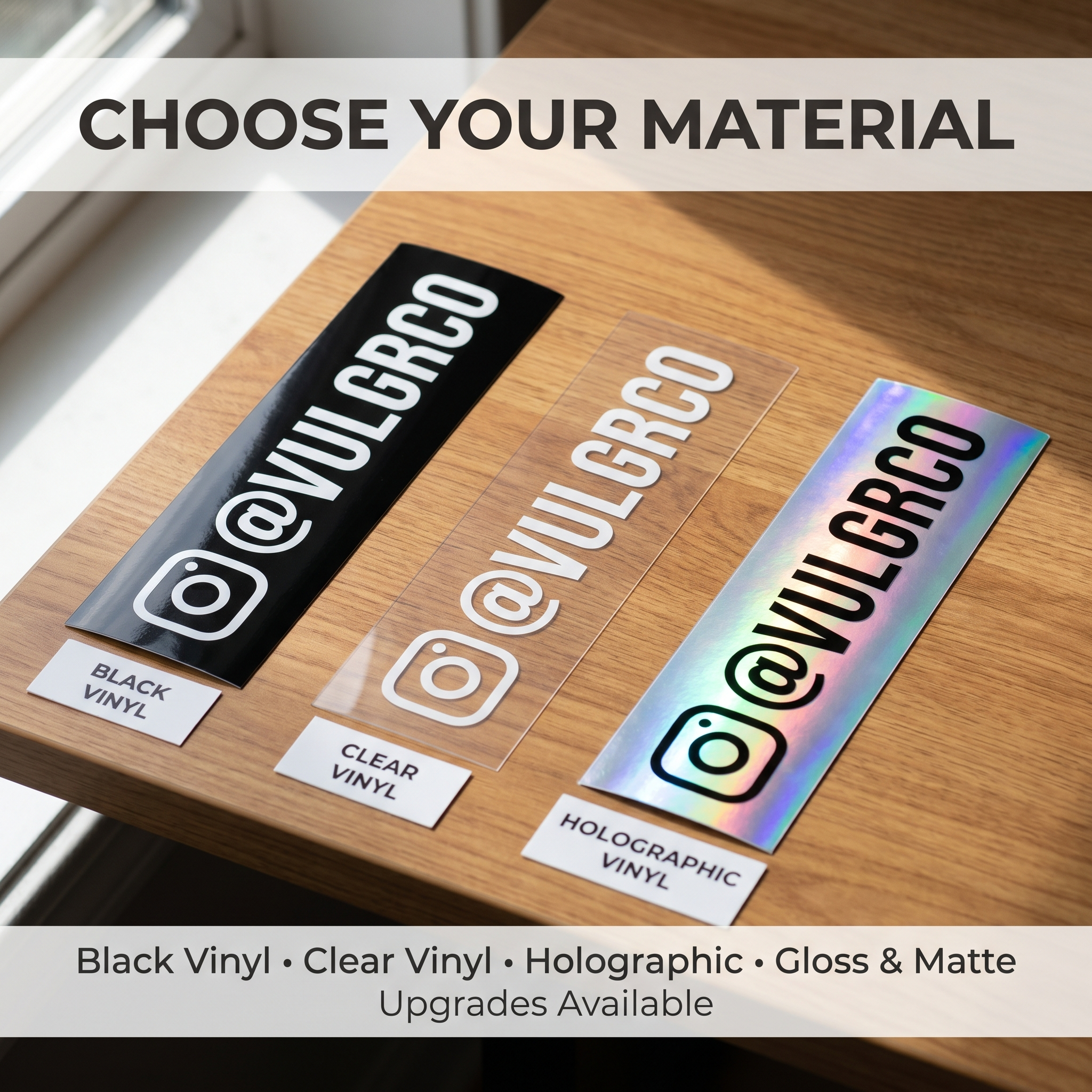
When comparing vinyl stickers, look for the actual product instructions and any stated limits. If a claim does not describe its conditions, ask before treating it as a guarantee.
The same applies to heavy-duty stickers. A stronger-sounding product name does not establish a dishwasher rating, immersion duration, or safe use on every painted surface.
Use this question list:
- What exposure does the claim cover?
- Was the finished printed product evaluated?
- Does the guidance include the adhesive and surface?
- Are heat, detergent, or scrubbing excluded?
- How should the object be cleaned?
You do not need a laboratory report for every decorative project. You do need enough information to avoid assuming the wrong use conditions.
Match bottles and outdoor gear to the finish
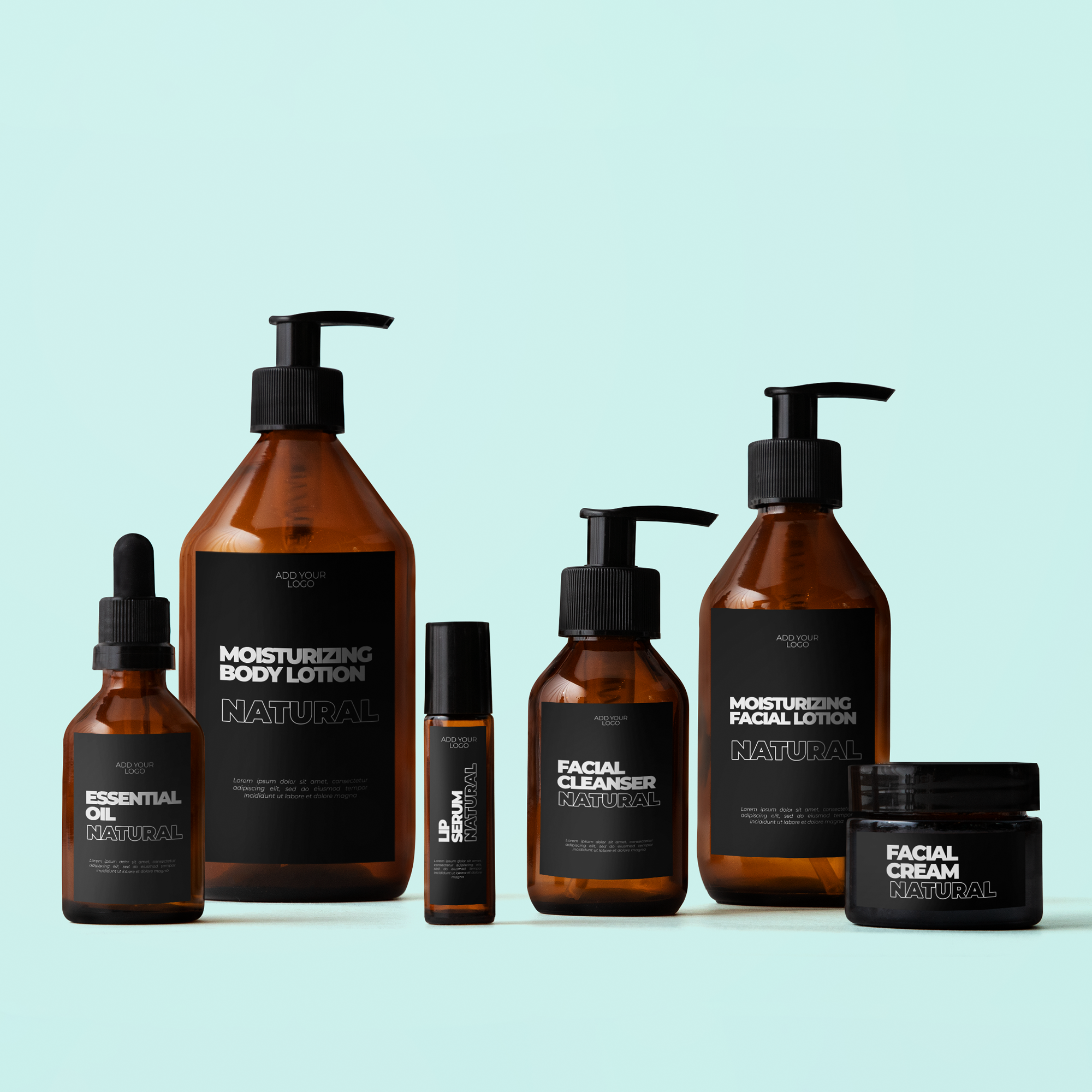
For a water bottle, check both visibility and handling. A design that sits across a strongly curved shoulder can lift differently from one on a straight-sided area. A sample placed on a clean, suitable surface gives a more relevant comparison.
For outdoor gear, add sunlight and temperature changes to the discussion. Water performance alone does not establish resistance to fading or surface damage.
Avoid “upgrade by assumption.” Choosing a decorative metallic finish instead of standard vinyl changes the appearance, but it does not automatically improve weather performance. Compare the specific finish's documentation and sample behavior.
Keep any care instructions with the finished object. Customers should not have to guess how to protect a personalized item.
Test a sample under real use
Use a sample you can afford to lose and follow the product's application guidance. Record the surface, material, application date, and the activity being tested. Inspect both the print and edges afterward.
A useful informal check compares a newly applied sample with the same sample after normal hand washing. Photograph the result under similar lighting. If the edges lift, the print changes, or the finish becomes cloudy, stop and ask for guidance before ordering the batch.
Do not intentionally expose an object to harsh conditions outside its instructions just to produce a dramatic test. Your goal is a suitable buying decision.
Choose the sticker around the documented use. “Waterproof” should start a practical conversation, not end it.
FAQs
Does waterproof mean dishwasher safe?
No. A dishwasher adds heat, detergent, repeated water pressure, and drying conditions. Treat dishwasher use as a separate requirement and look for explicit guidance for the finished product. A water-related claim alone is not enough to establish that use.
Can a sticker survive soaking?
That depends on the specific material, adhesive, surface, application, and duration. Ask whether immersion is covered rather than inferring it from a general claim. If soaking is routine, describe that condition before ordering and use the manufacturer's current instructions.
Does water resistance include UV resistance?
Not automatically. Water exposure and sunlight affect a product in different ways. Check outdoor guidance separately, including the print and finish rather than just the base material. Do not translate a splash-resistance statement into a fade-resistance or outdoor-life promise.
How should I test a sample?
Apply it to the actual surface using the approved preparation method, then expose it only to the normal use you intend. Note the conditions and inspect print, adhesion, and edges. Treat the result as project information, not a formal durability certification.